Breaking Benjamin Brings Powerful Vocals and Millennial Nostalgia to Toronto
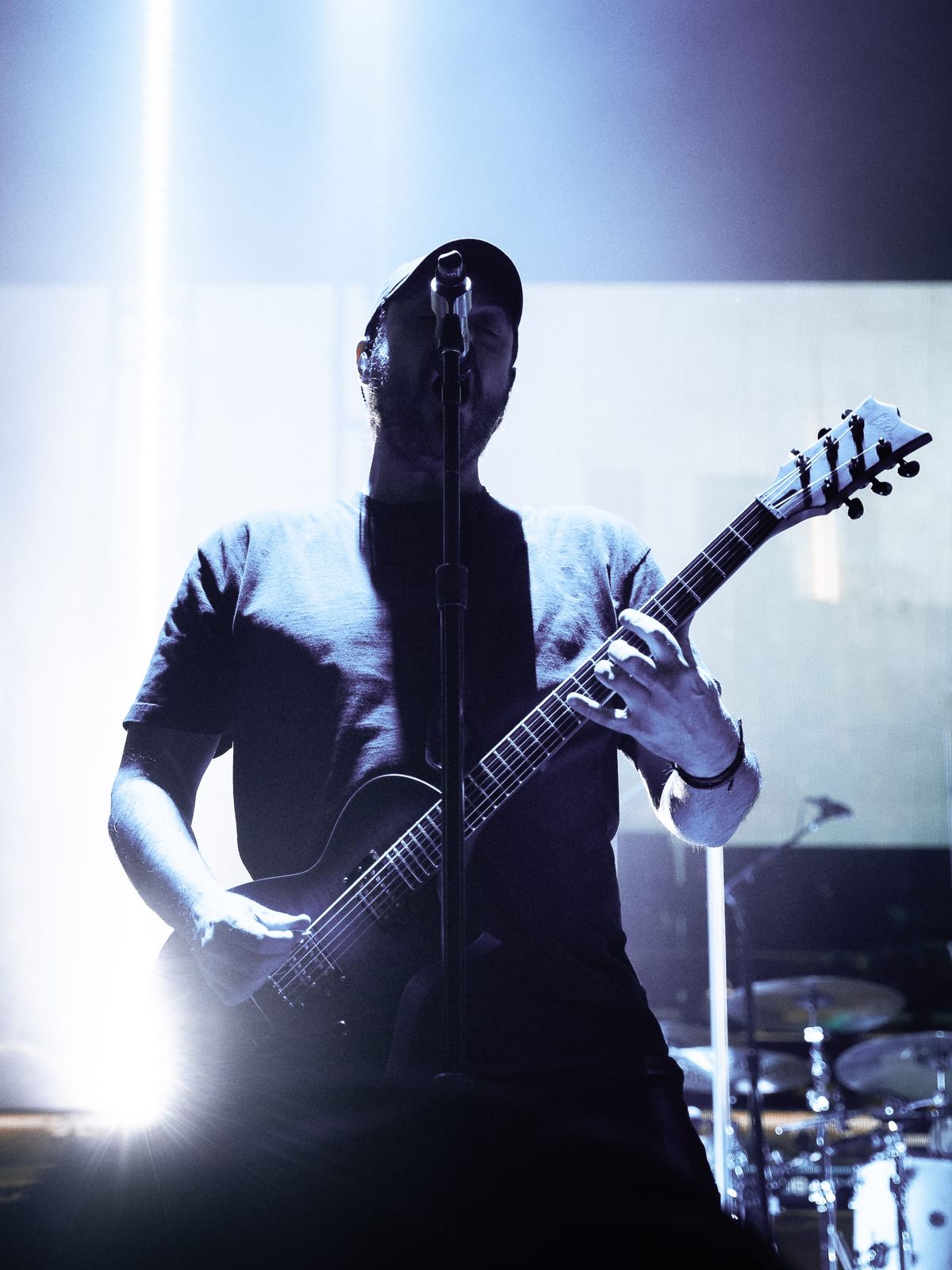
Breaking Benjamin brought its Fall Tour to Toronto’s RBC Amphitheatre on Wednesday, Sept. 9, 2026, with support from Chevelle, STARSET and Kami Kehoe. The amphitheatre became increasingly packed throughout the night, building toward a headlining set driven by strong vocals, familiar songs and a unique production.
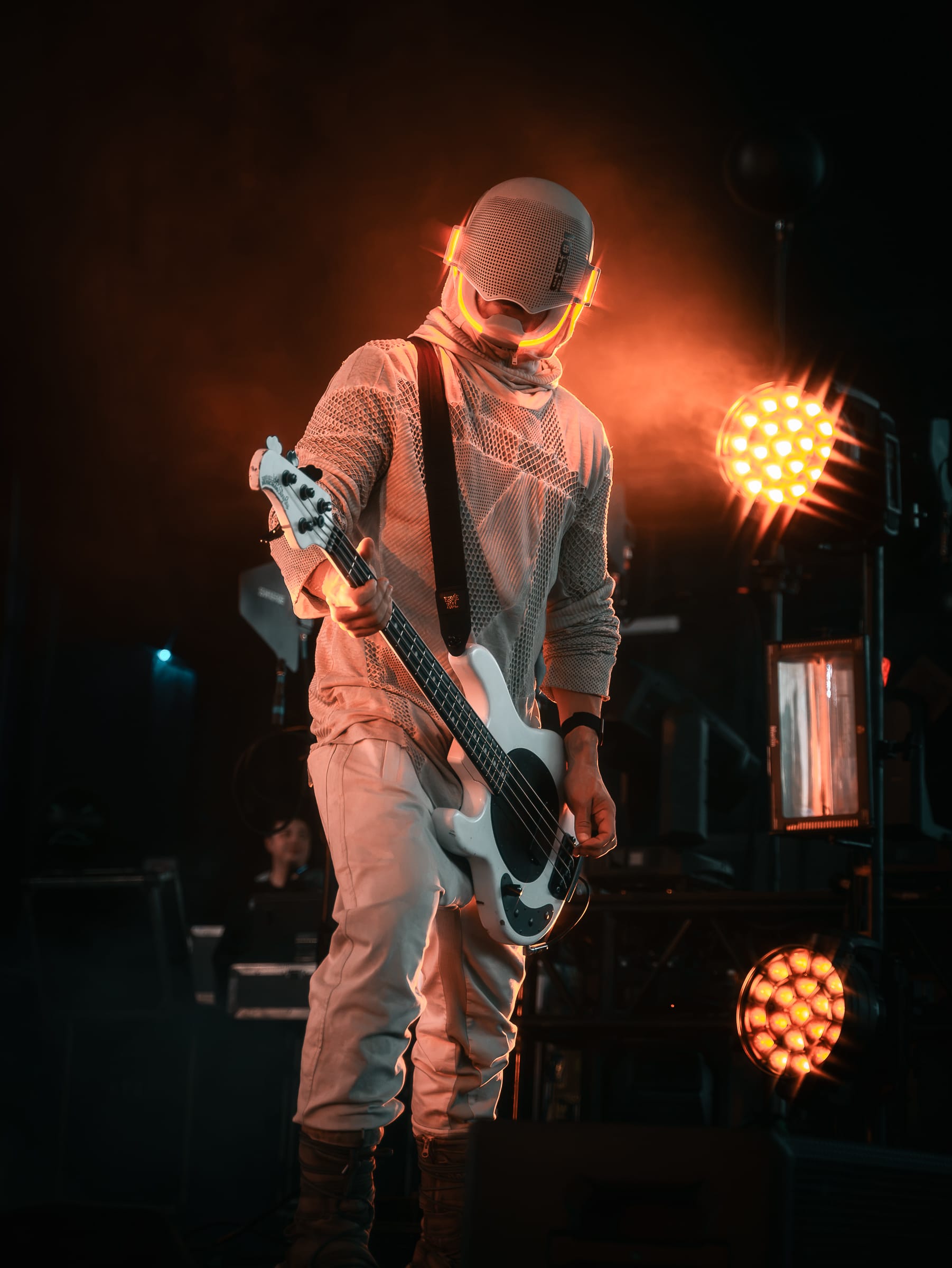
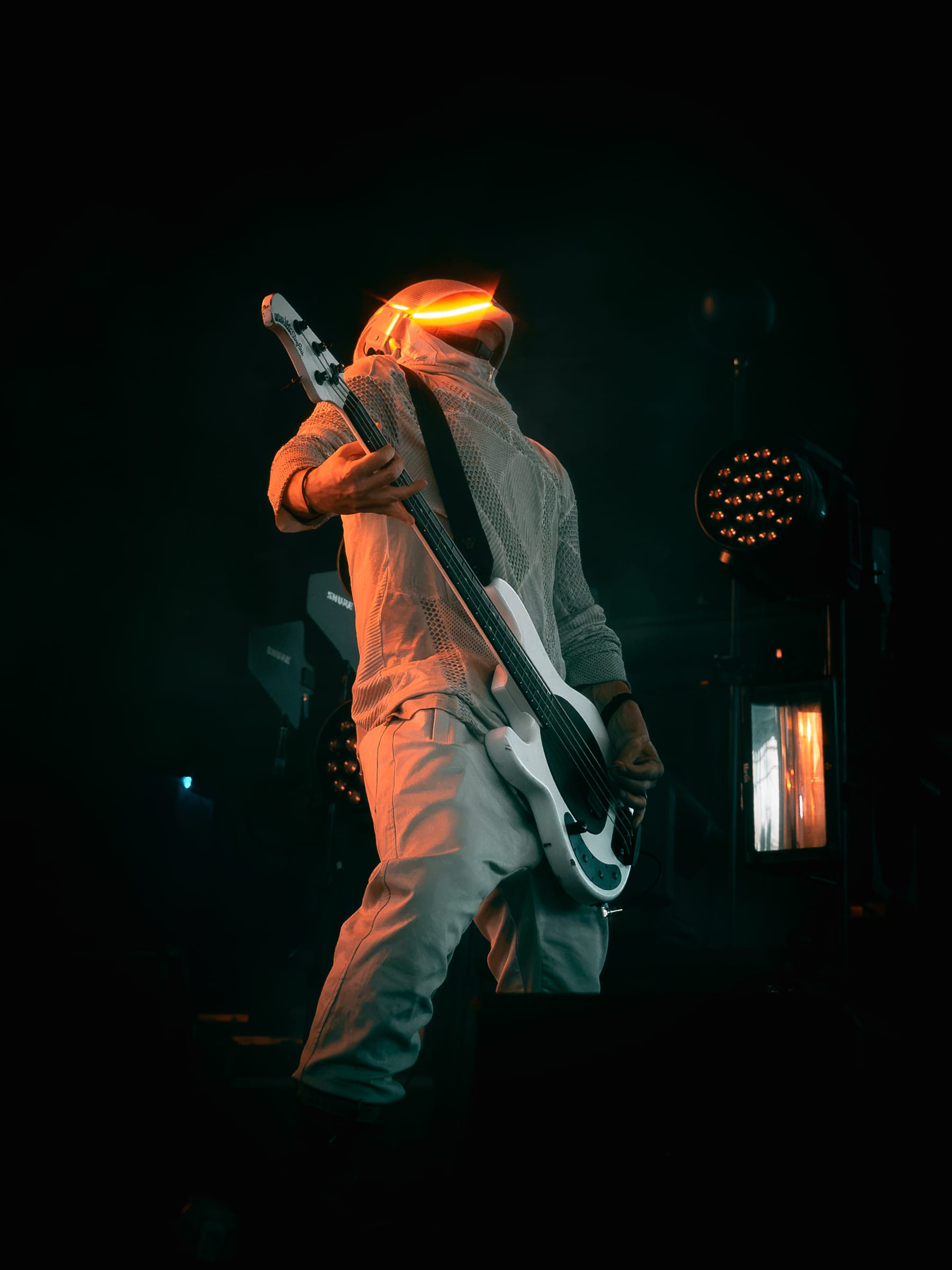
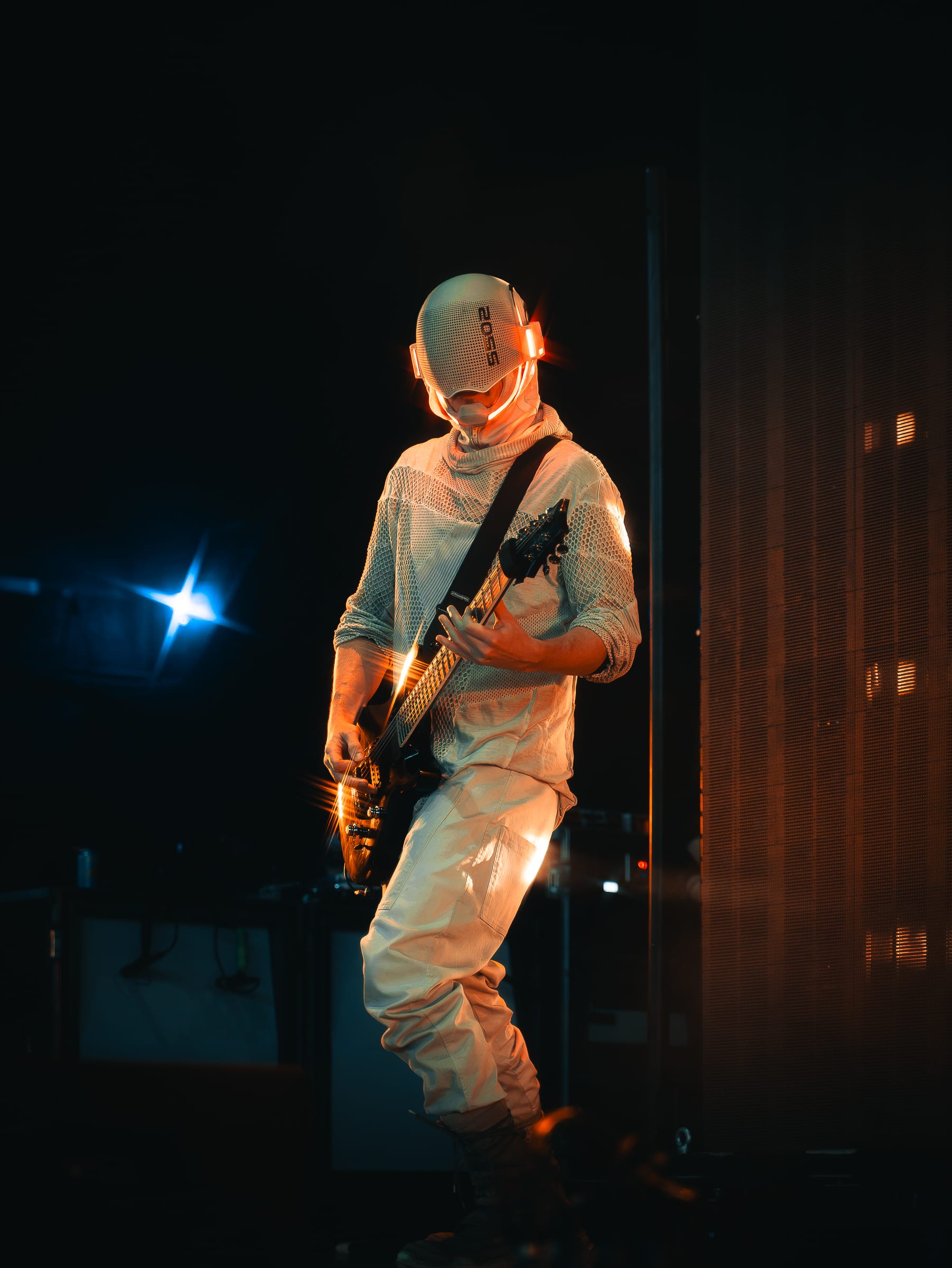
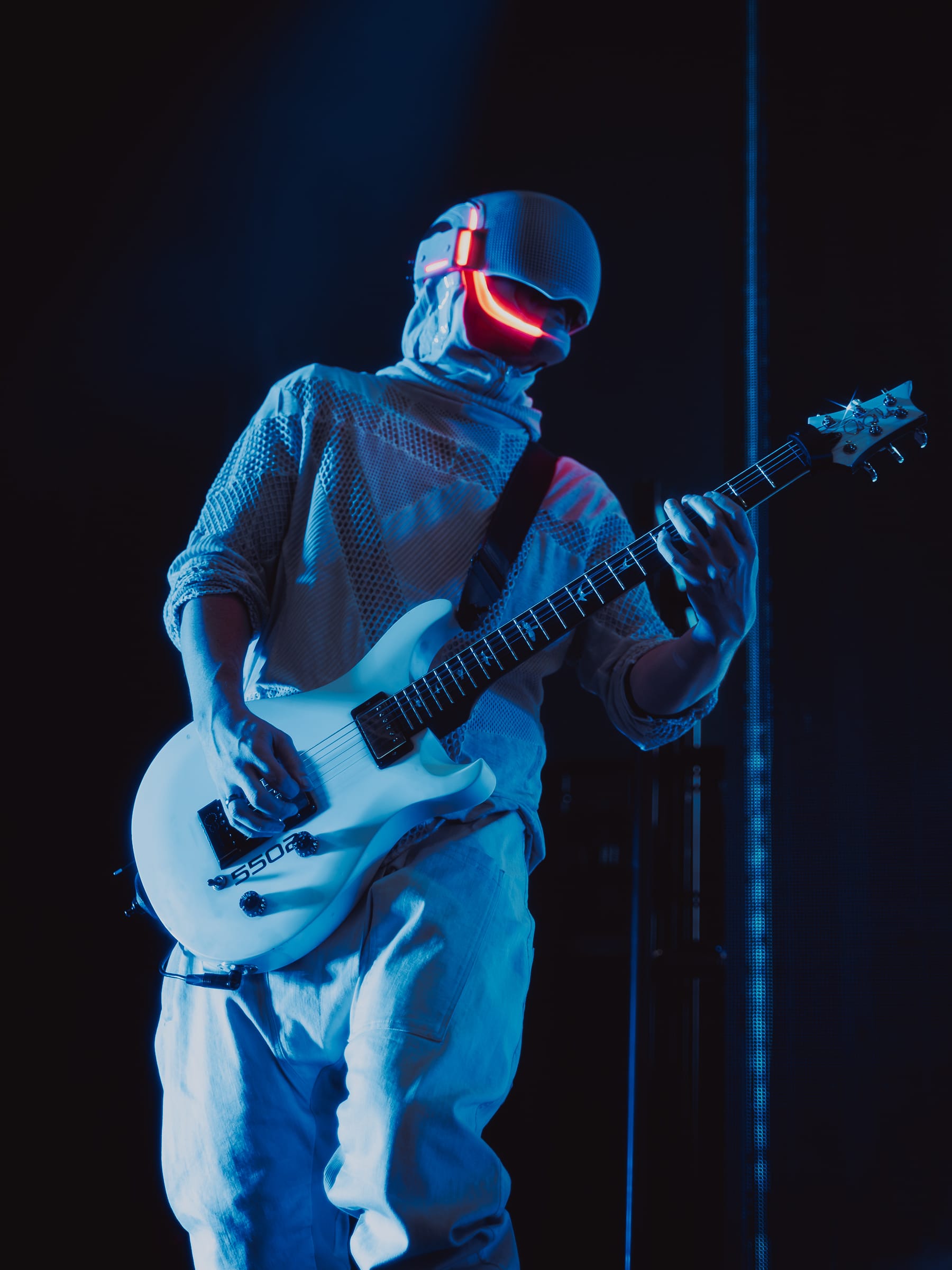
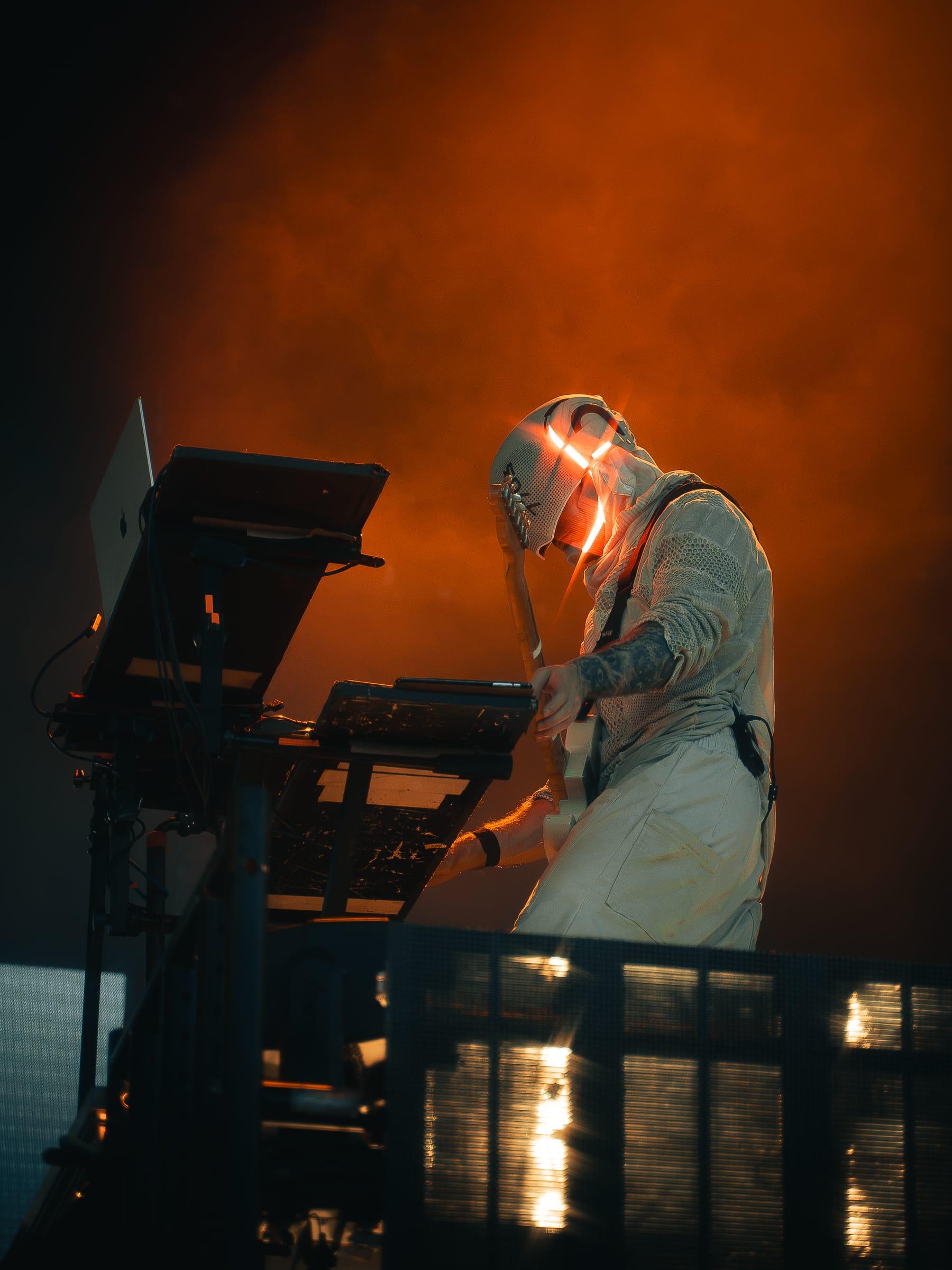
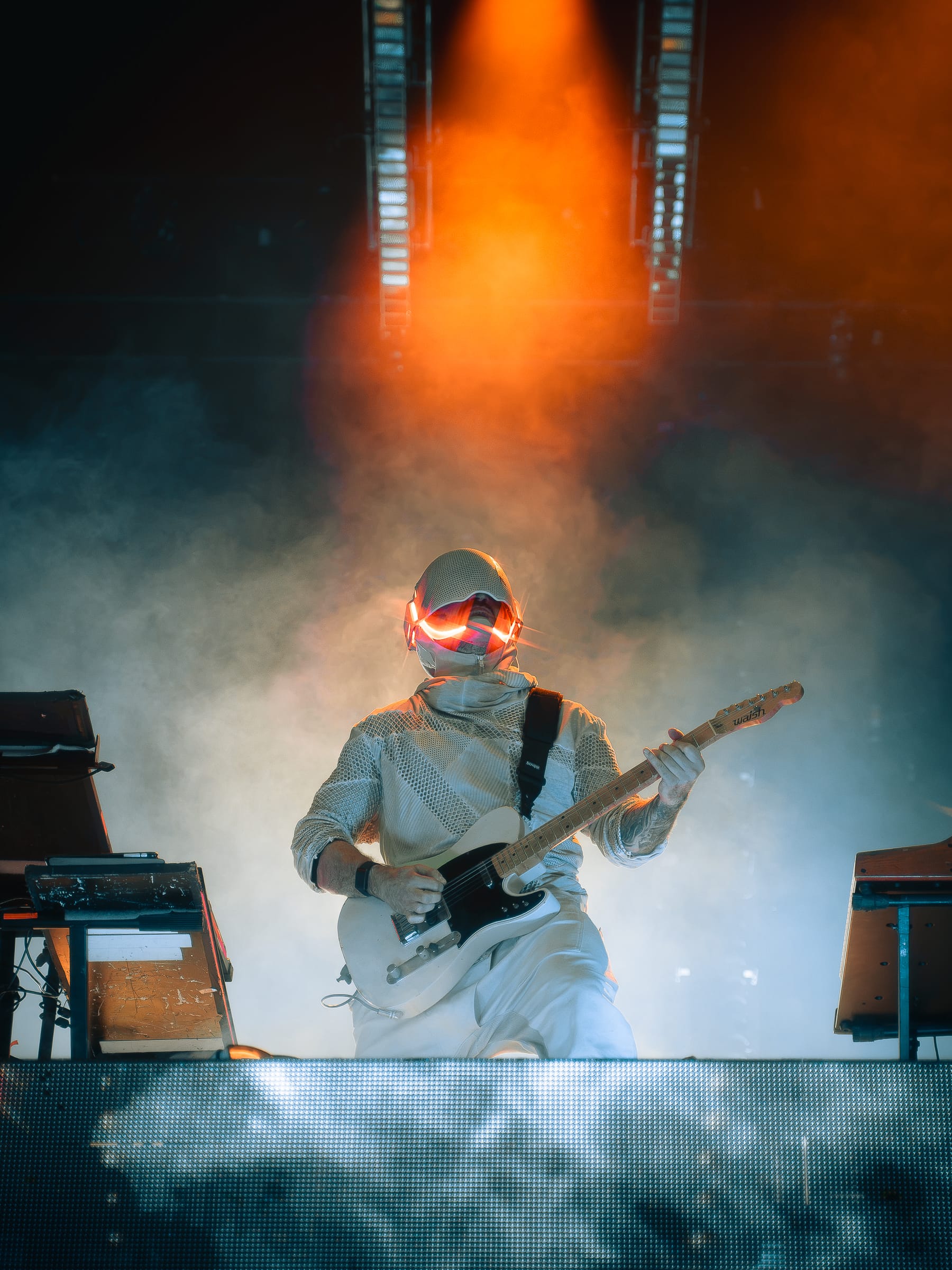
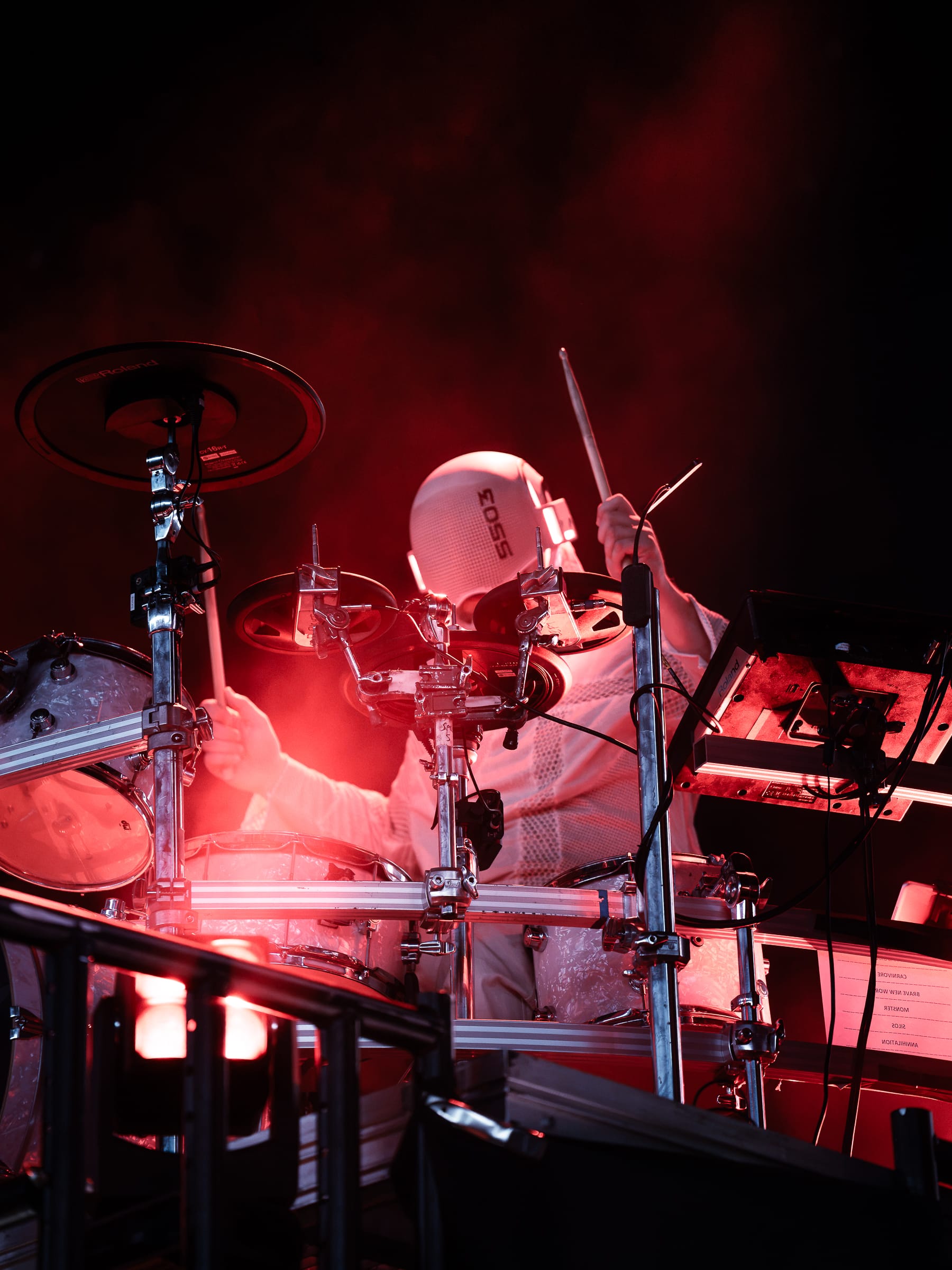
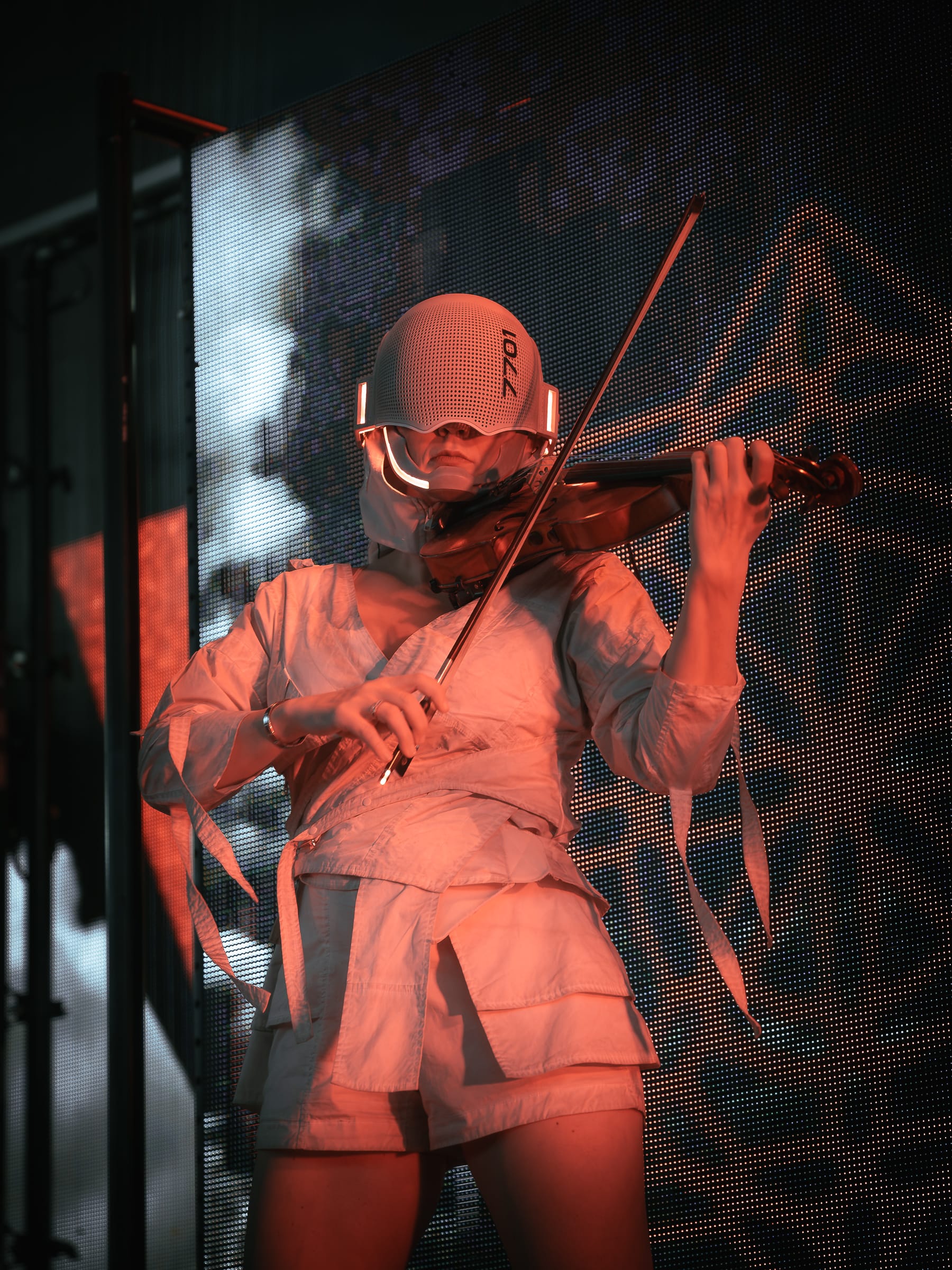
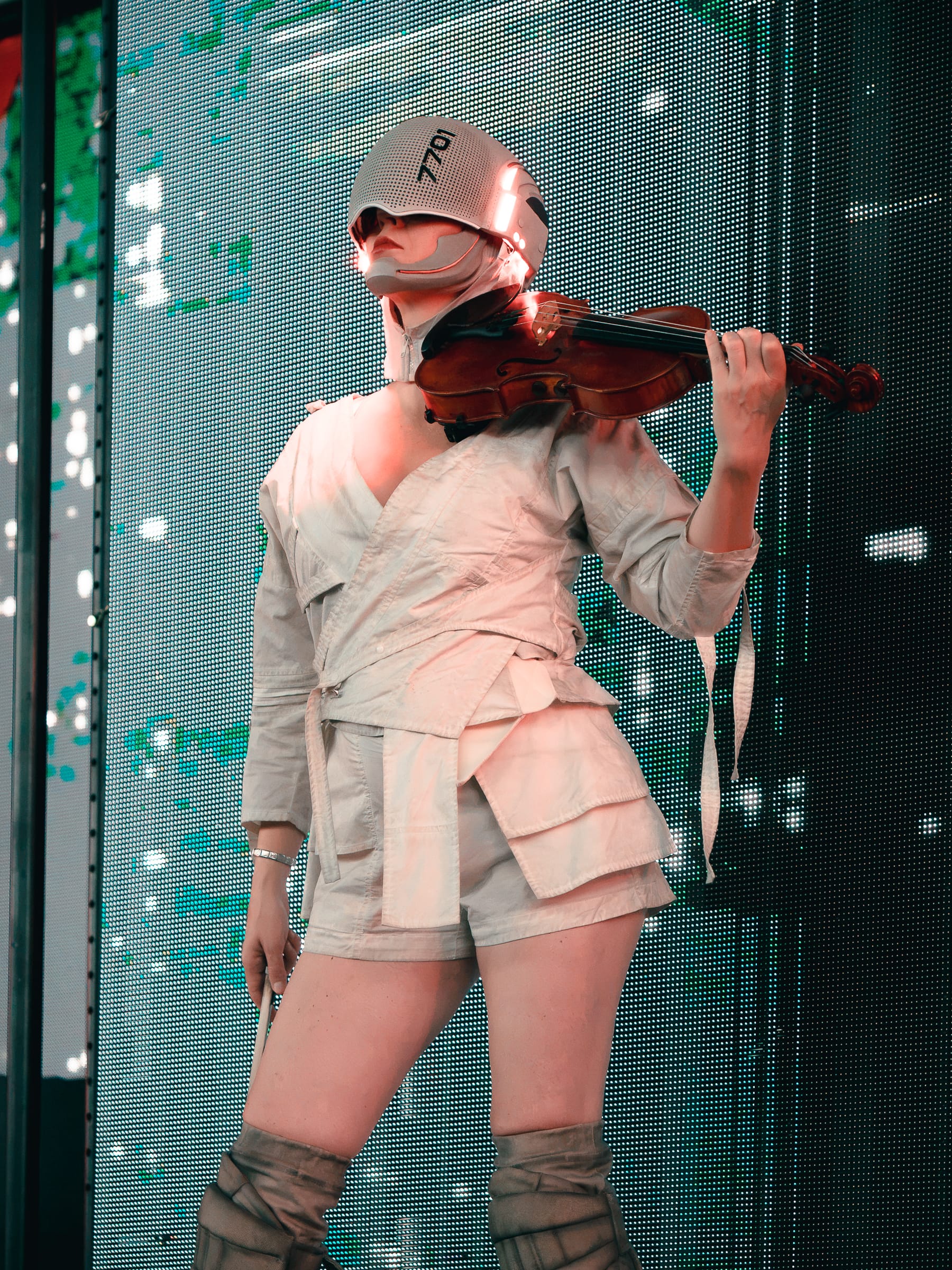
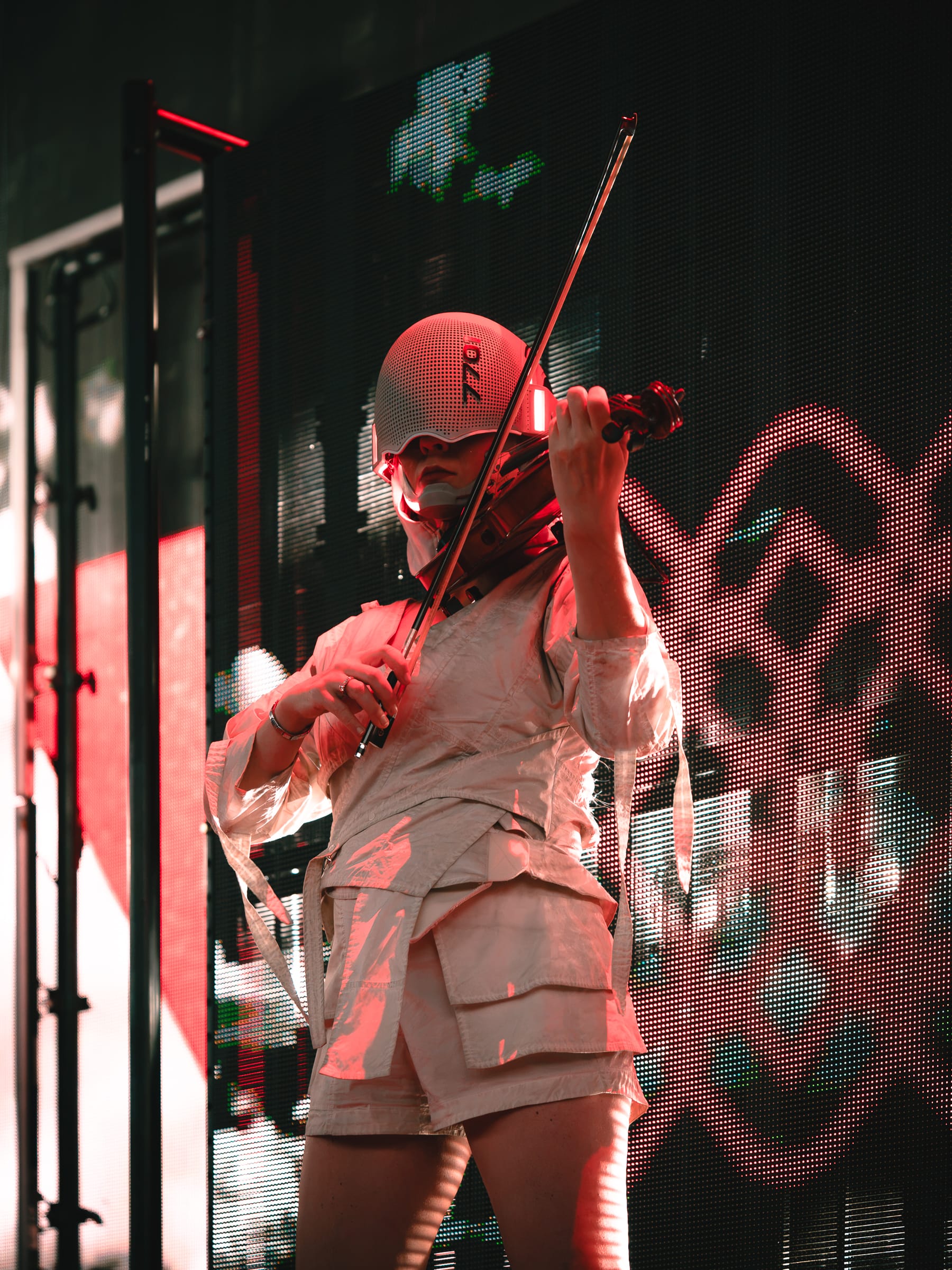
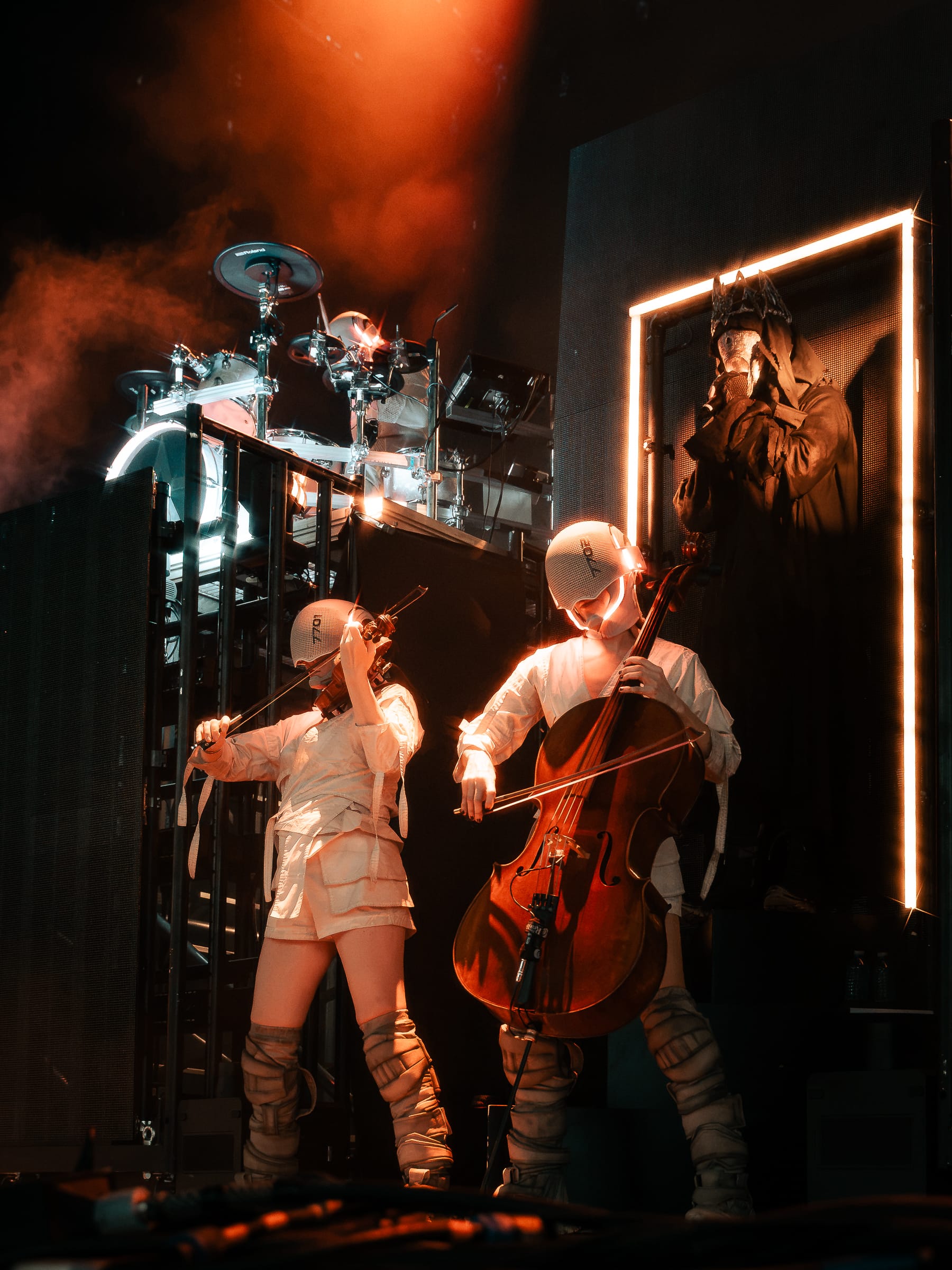
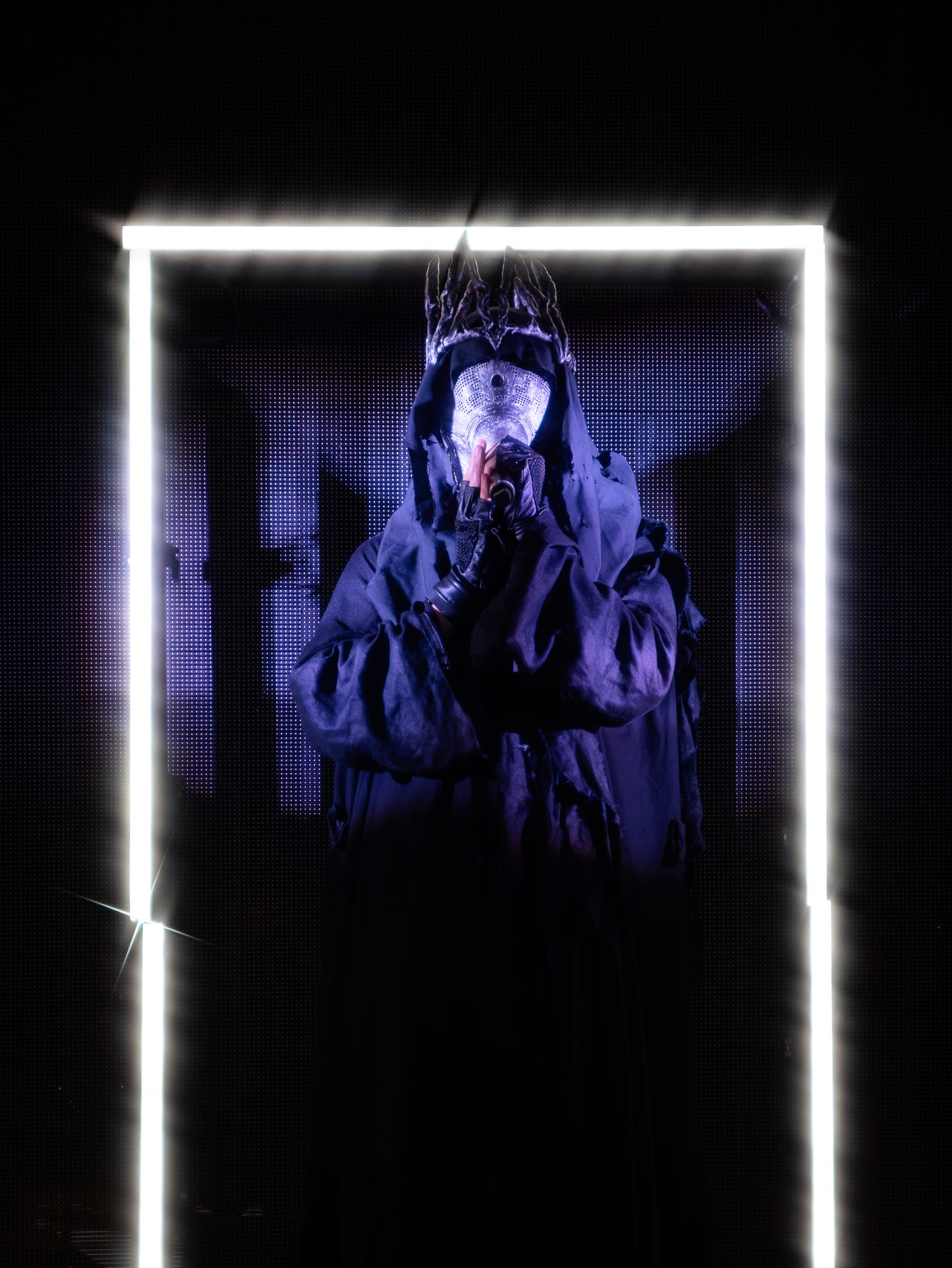
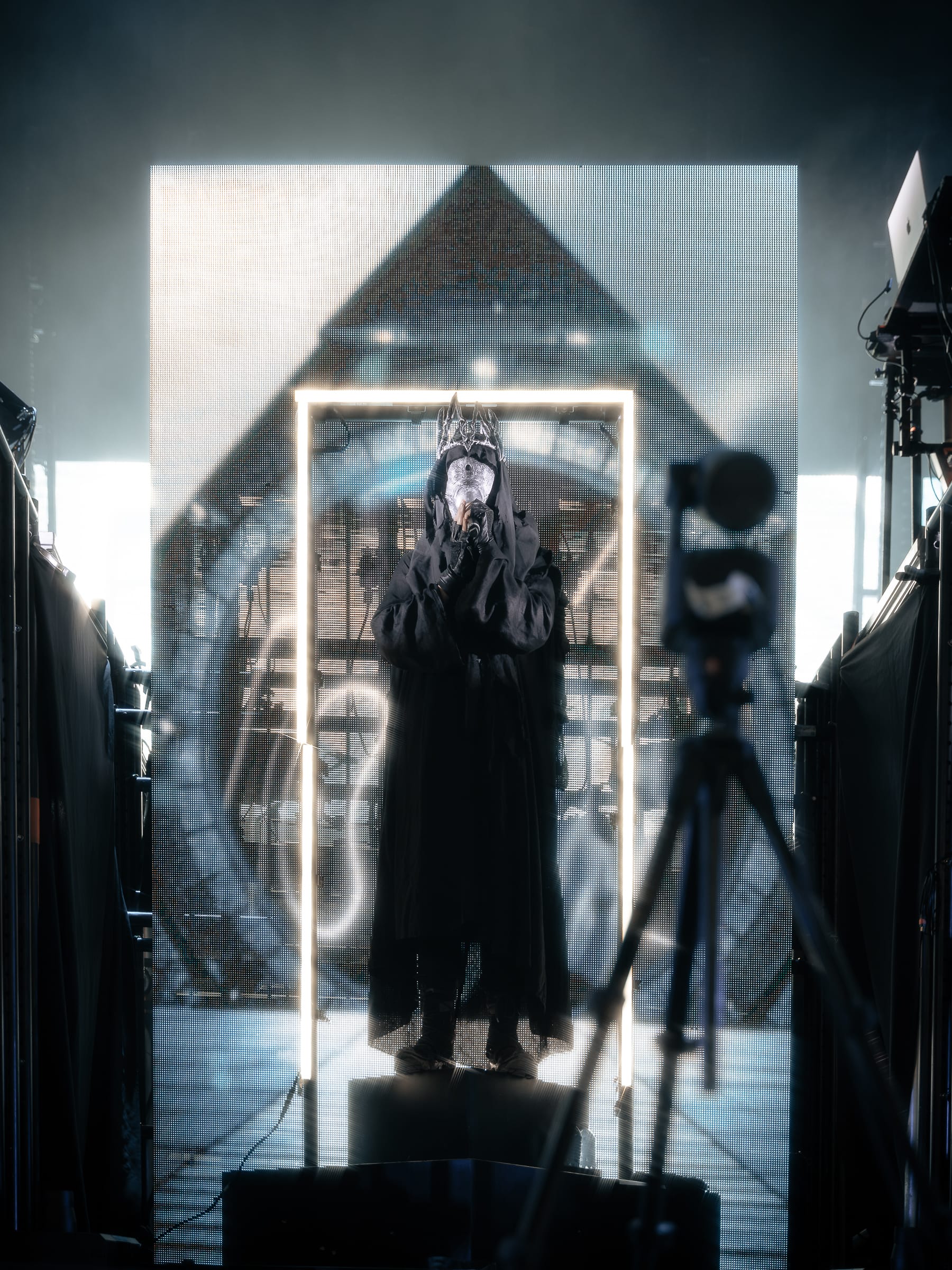
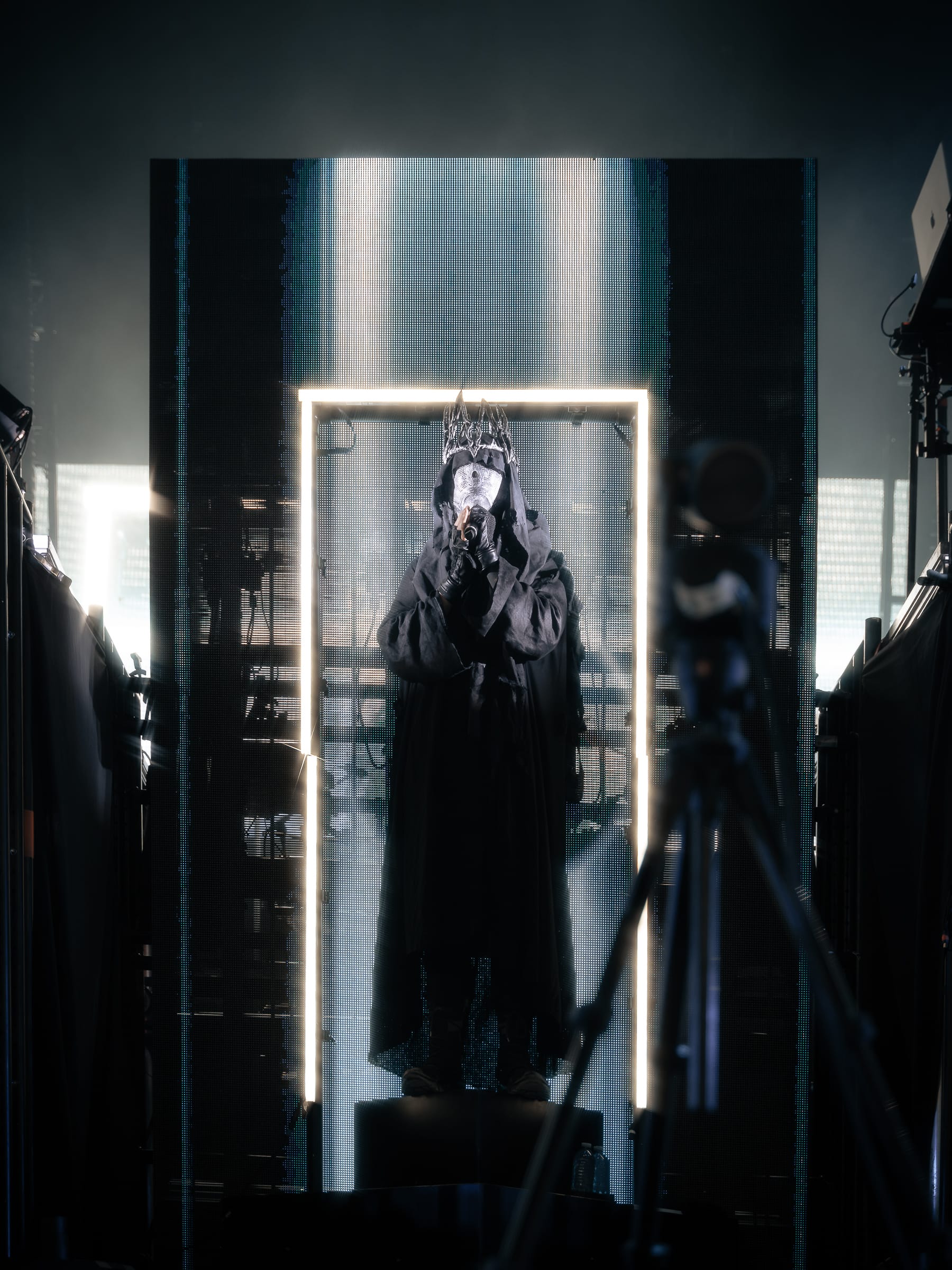
Kami Kehoe opened the night before coverage began. STARSET followed with the most visually distinctive performance of the night. The musicians appeared in futuristic white outfits and numbered helmets with glowing accents, while violin and cello added another layer to the band’s combination of rock and electronic music.
Credits: @anillien
The production was unlike anything else that appeared during the show. Large screens, dramatic lighting and a dark mask with a crown-like headpiece gave the set a theatrical quality, but the visuals did not make the musicians feel secondary.
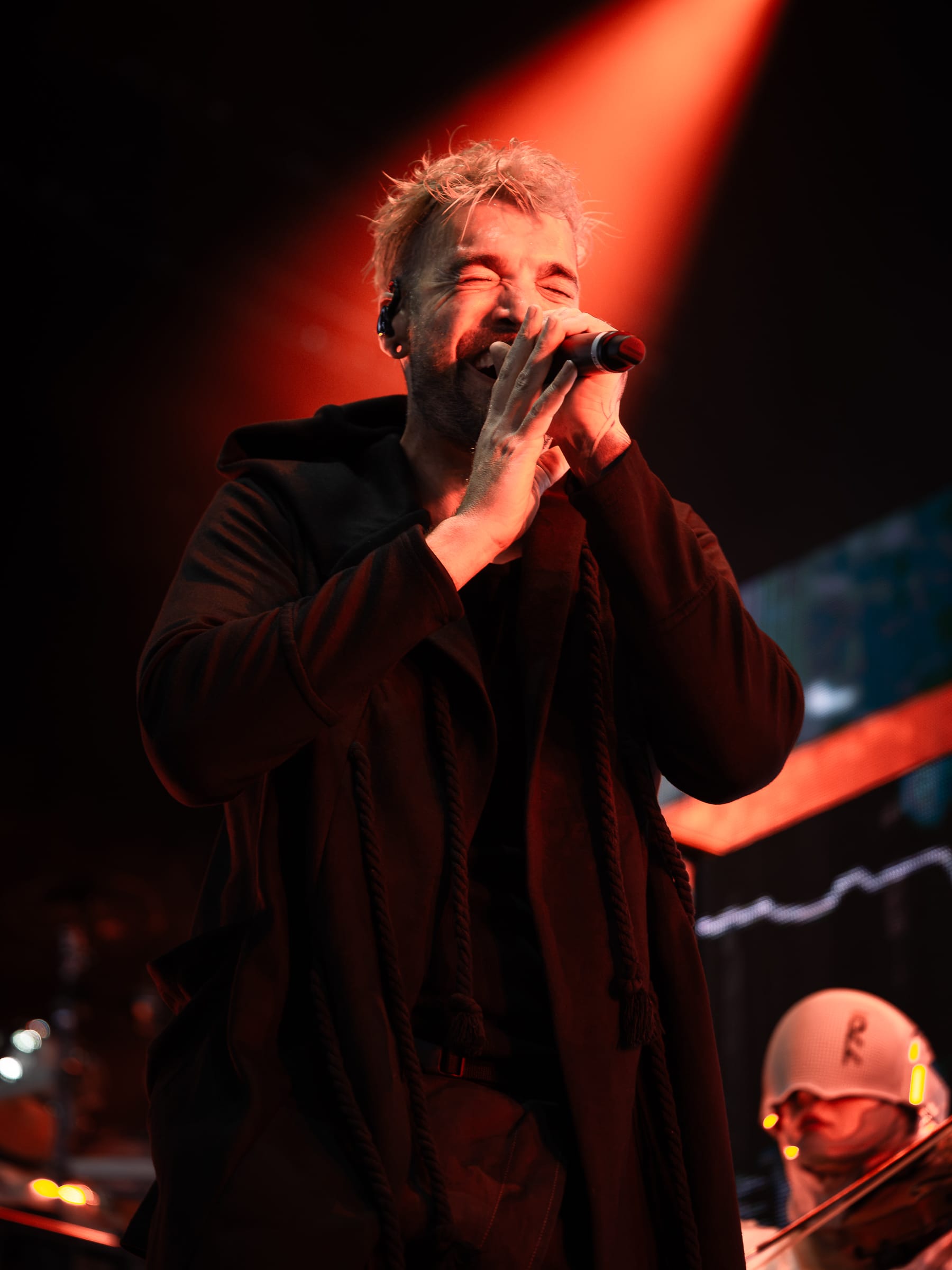
What stood out most was how well STARSET worked as a complete band. No single instrumentalist dominated through extended solos. Instead, each member contributed to the full sound and visual presentation, making the performance feel carefully coordinated from start to finish. Lead vocalist Dustin Bates showed impressive range, shifting between clear melodic singing and deep, sustained screams.
Credits: @anillien
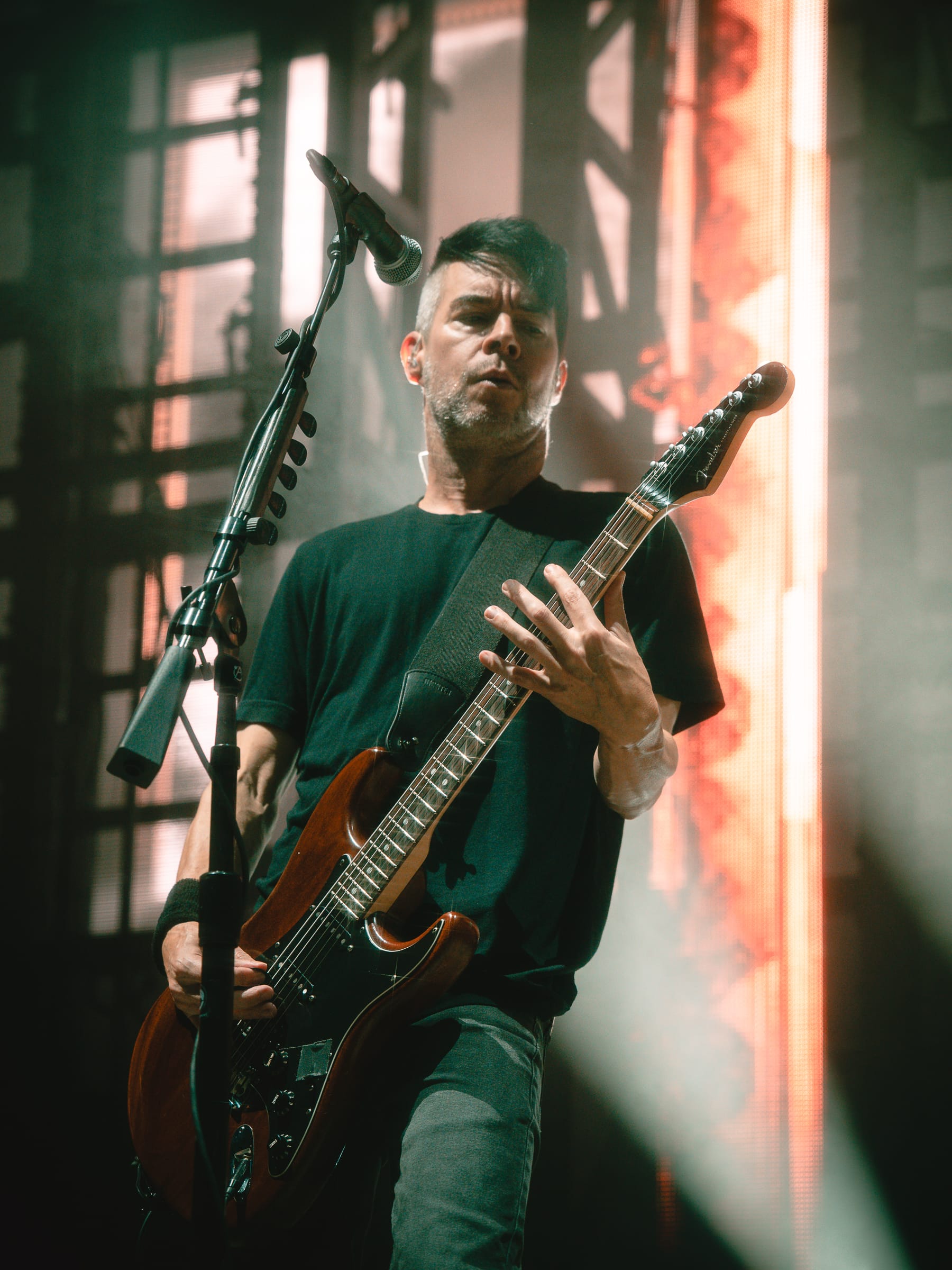
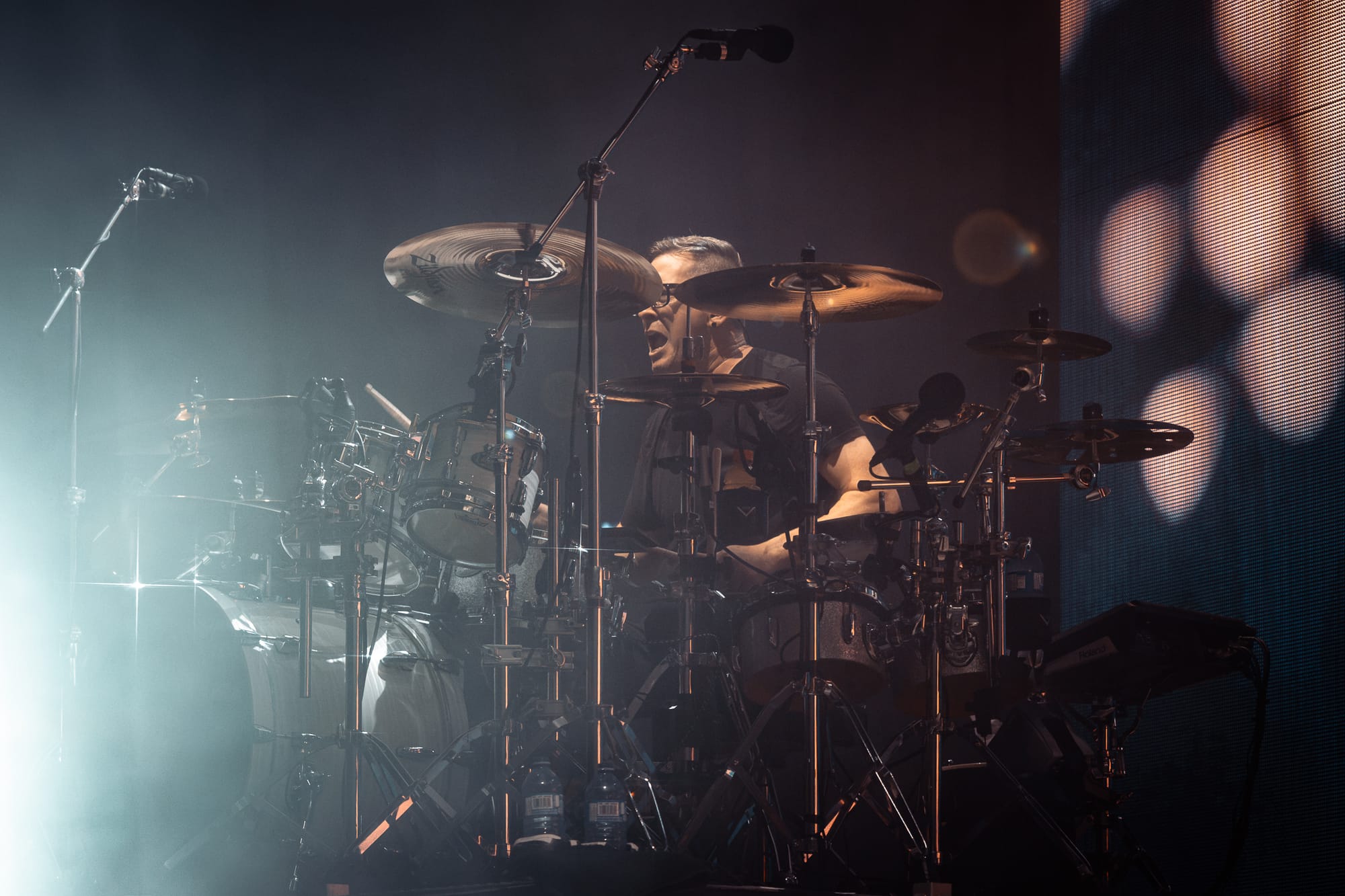
Chevelle followed with only three musicians onstage but produced a sound that felt much larger. Pete Loeffler, drummer Sam Loeffler and touring bassist Kemble Walters relied less on elaborate staging and more on the physical force of the music.
That sound carried even into the 200-level seats, where earplugs felt necessary at times. Chevelle’s dense mix gave the set a powerful, immersive quality, although Loeffler’s vocals occasionally blended into the surrounding instrumentation.
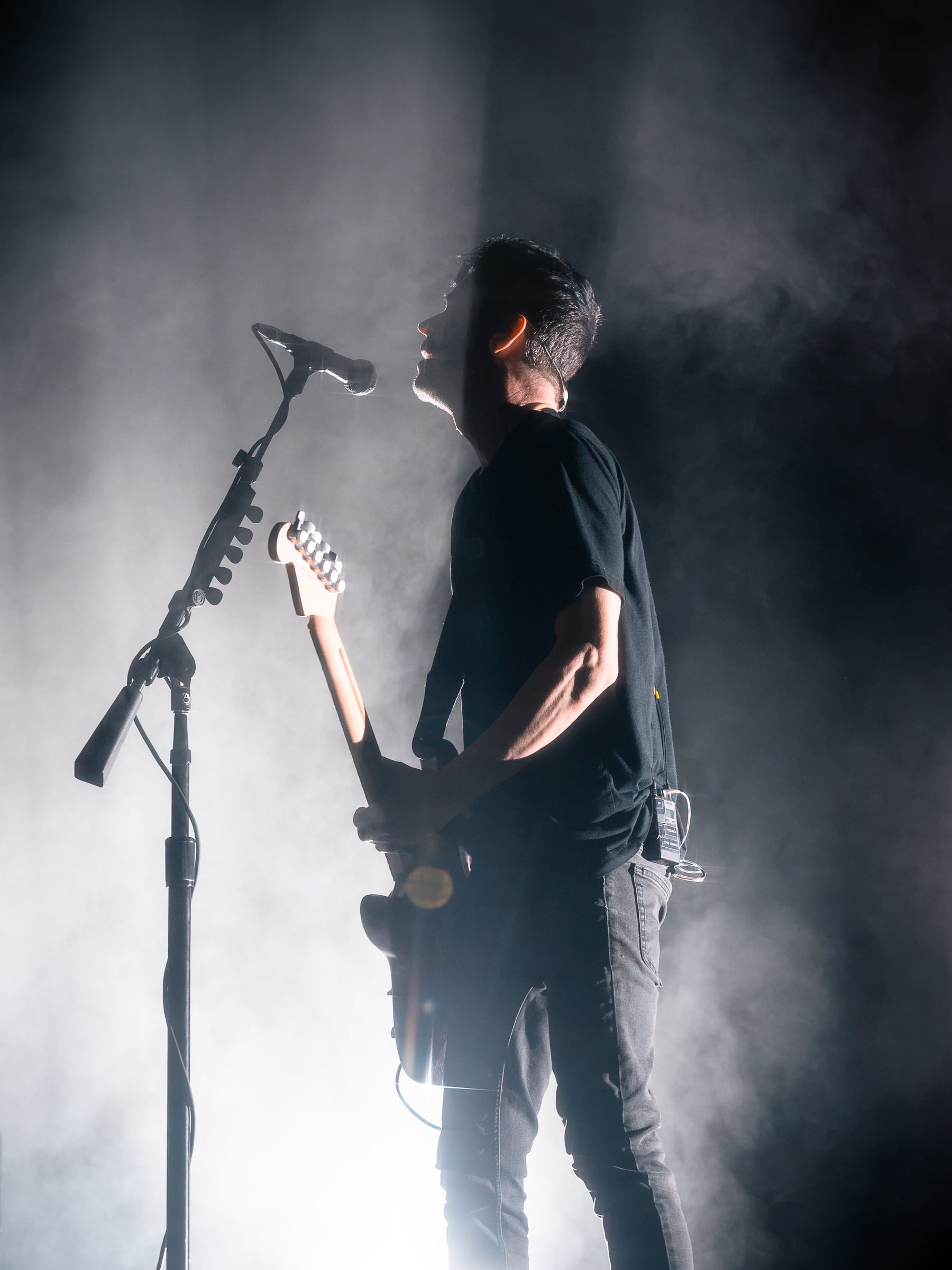
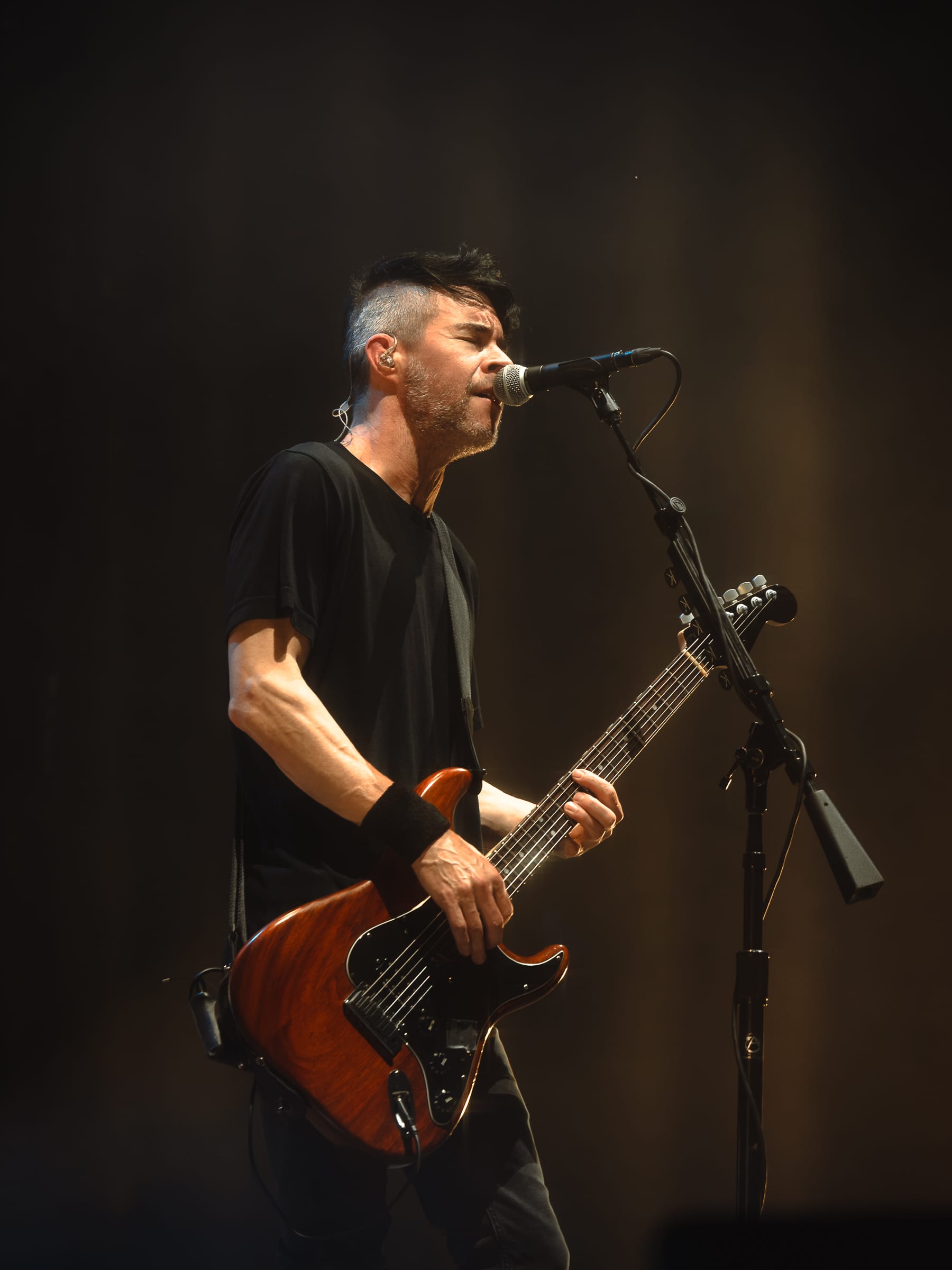
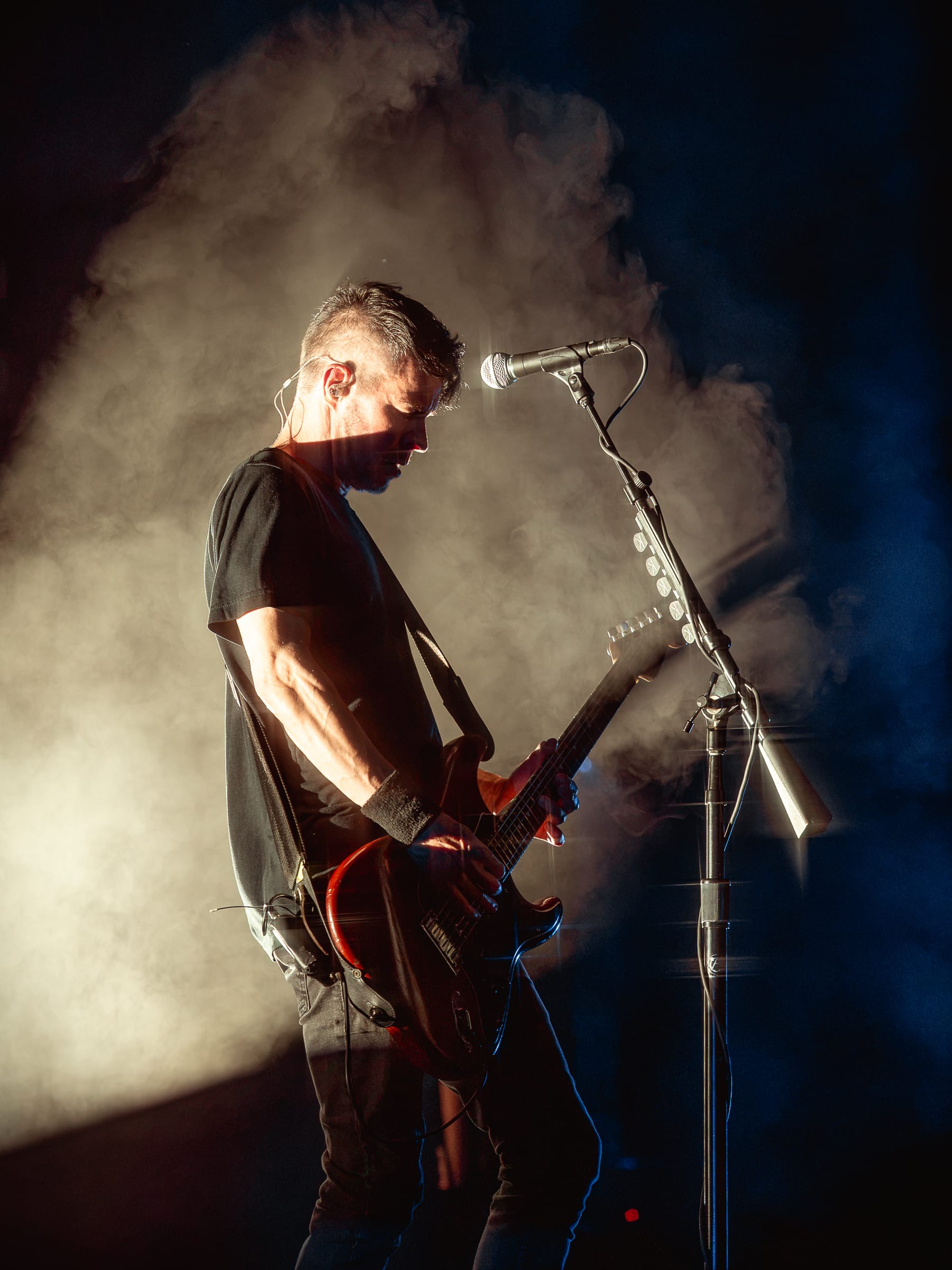
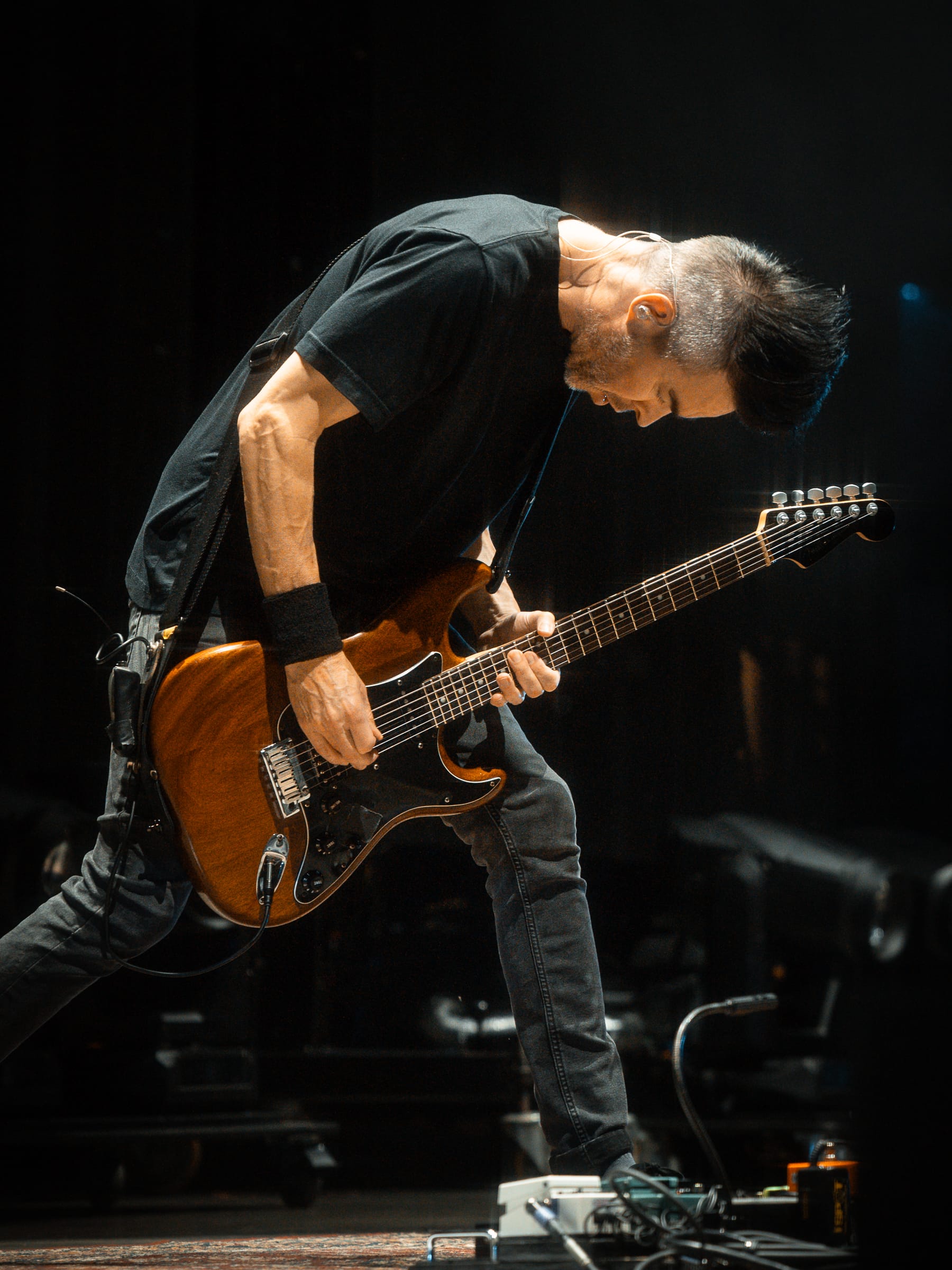
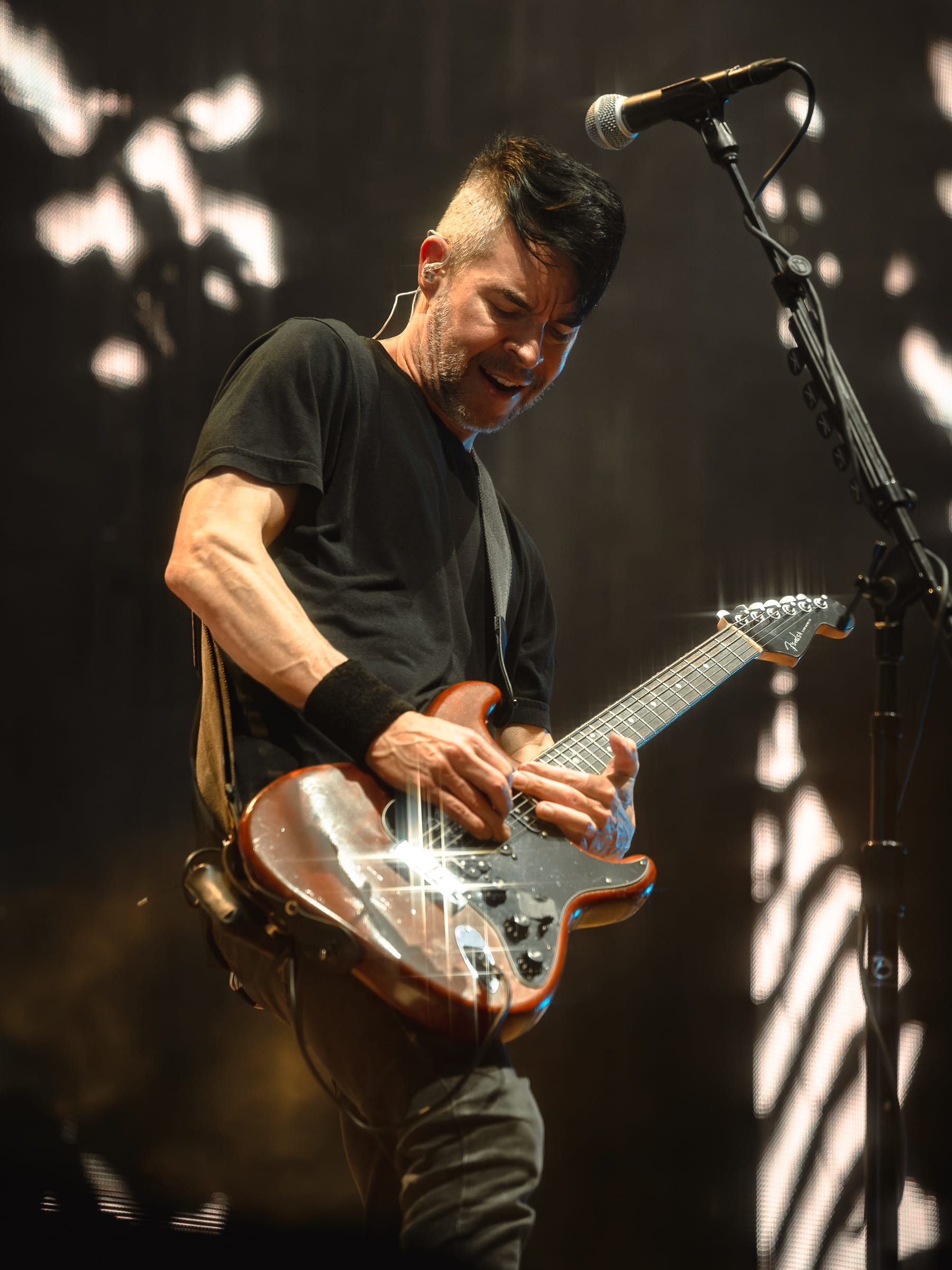
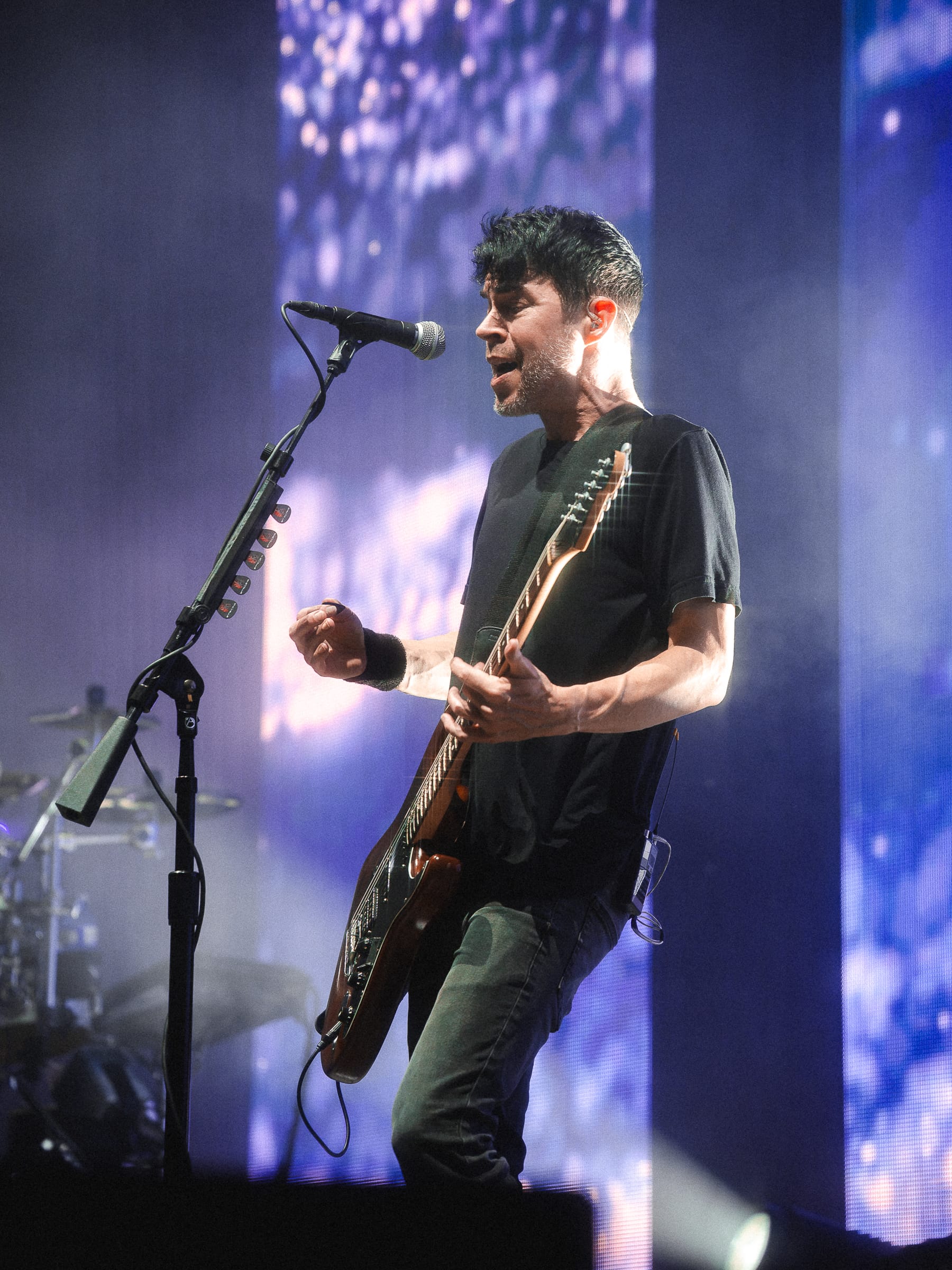
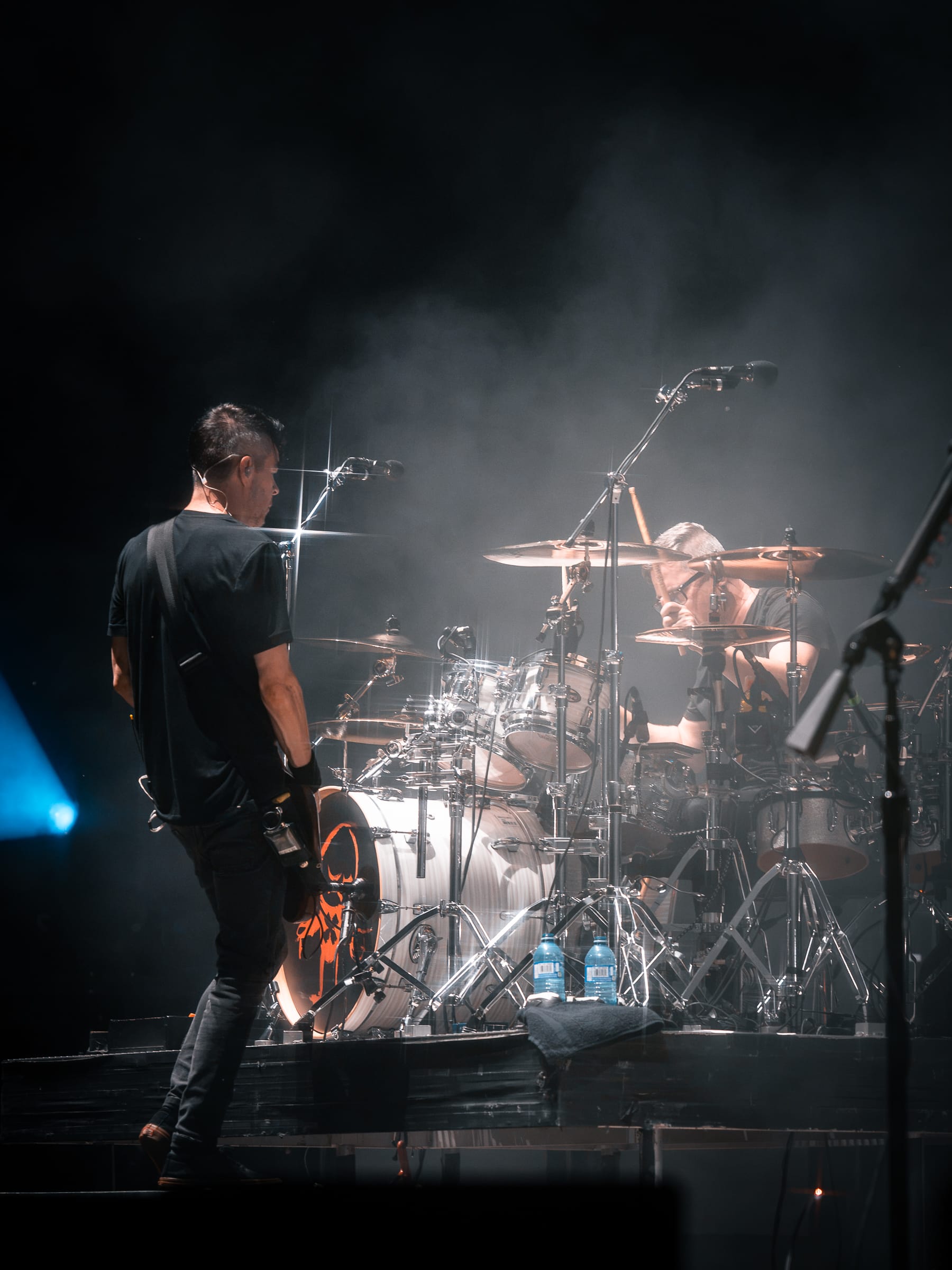
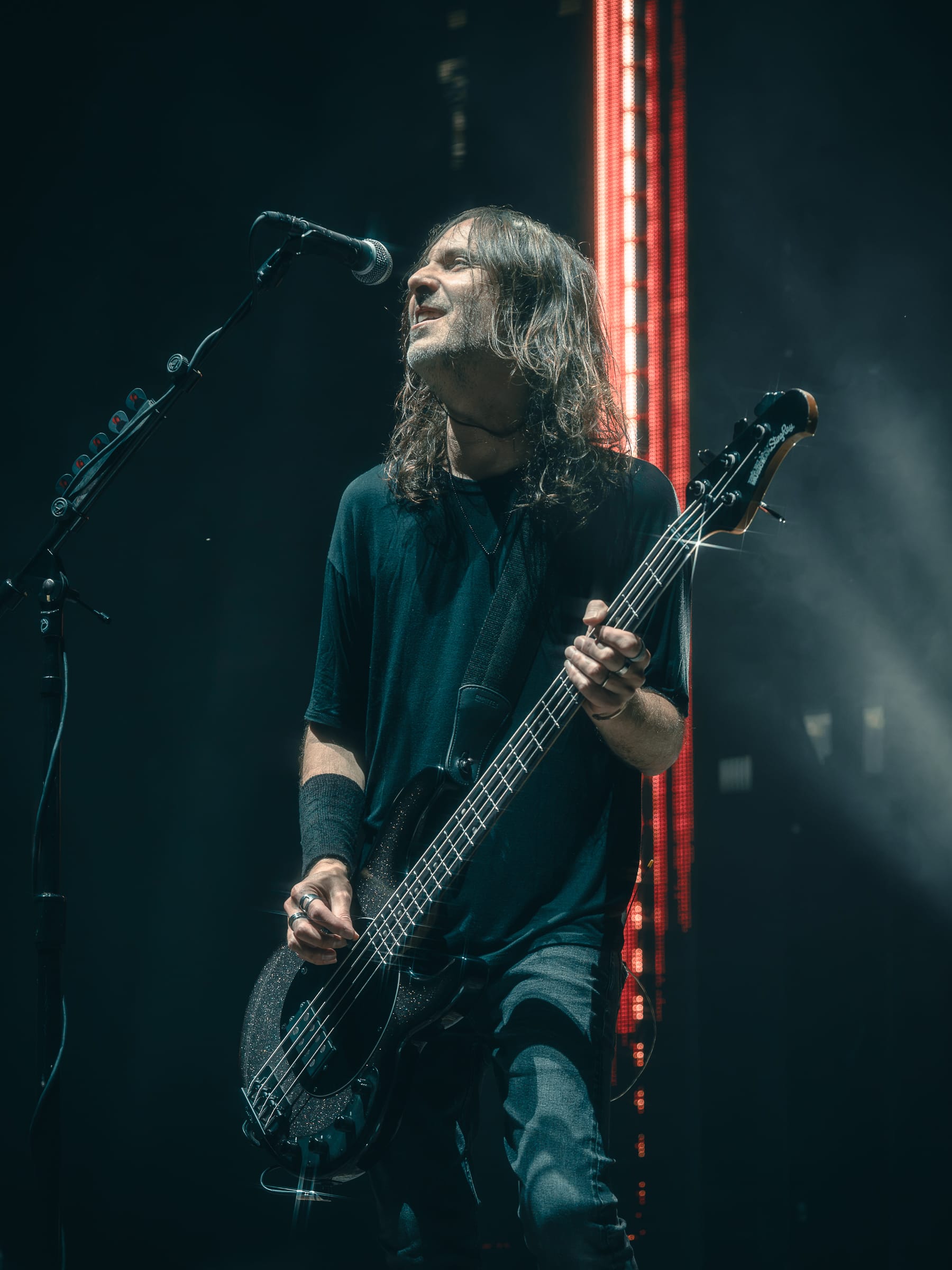
Credits: @anillien
The crowd responded enthusiastically as the amphitheatre continued to fill. Hands rose across the floor, spectators formed a small mosh pit near the middle, and digital text about reality and control appeared across the screen behind the band.
“Send the Pain Below” brought people to their feet and phones into the air as the audience sang along. “Comfortable Liar” earned another loud reaction before “The Red” became one of the set’s strongest moments. Abstract crimson visuals filled the screen while the crowd sang with Loeffler, who later moved into a guitar solo.
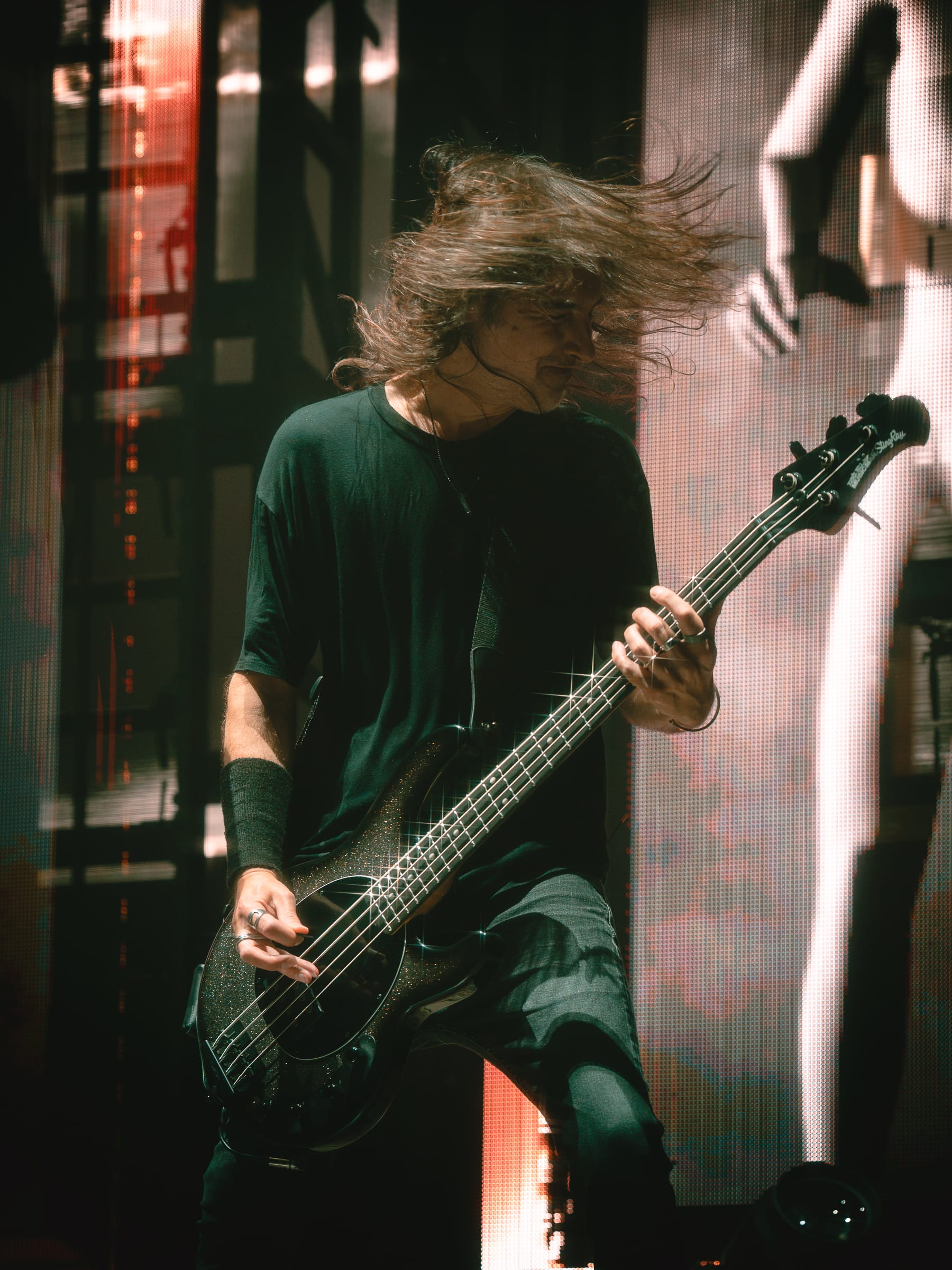
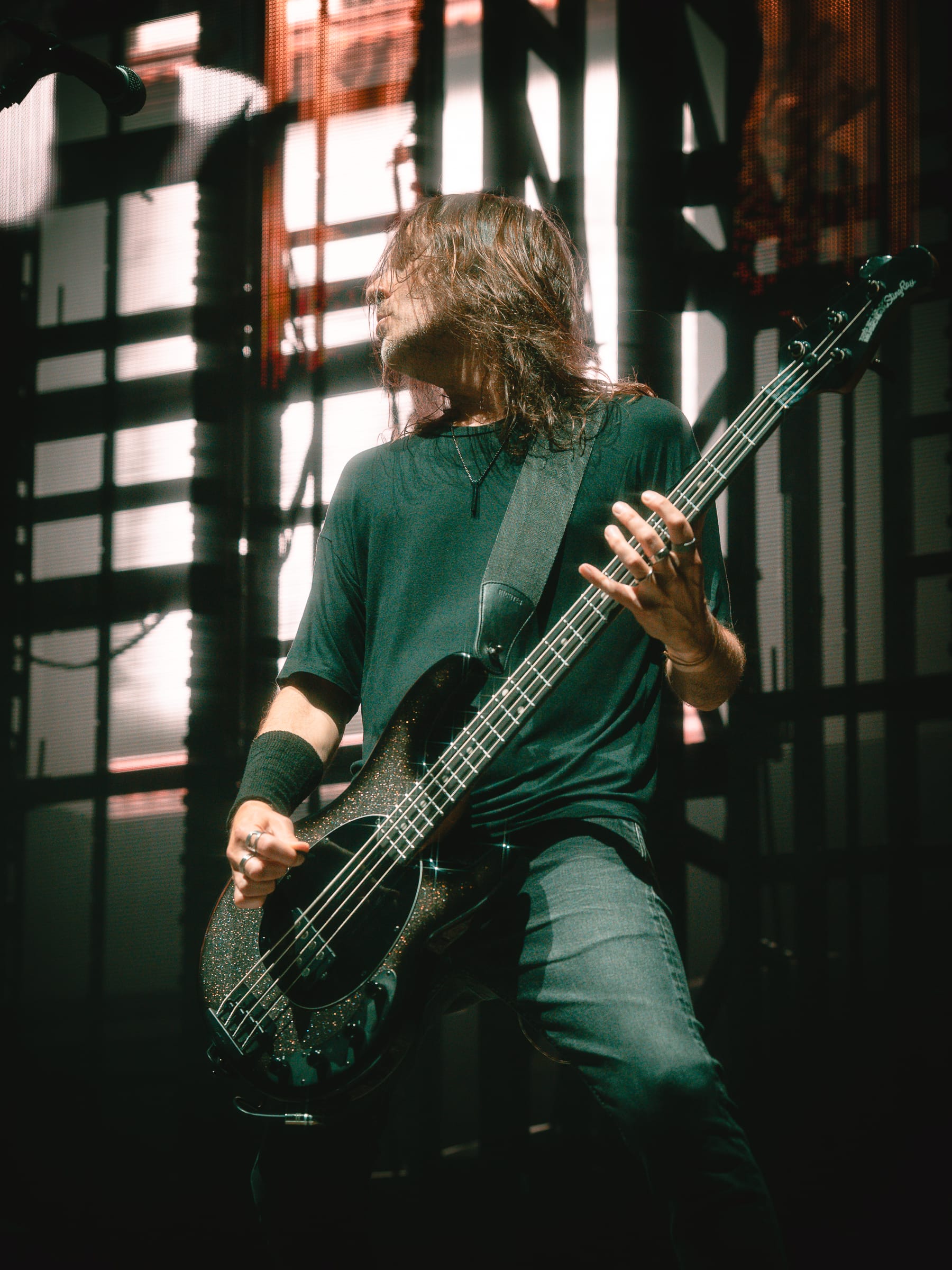
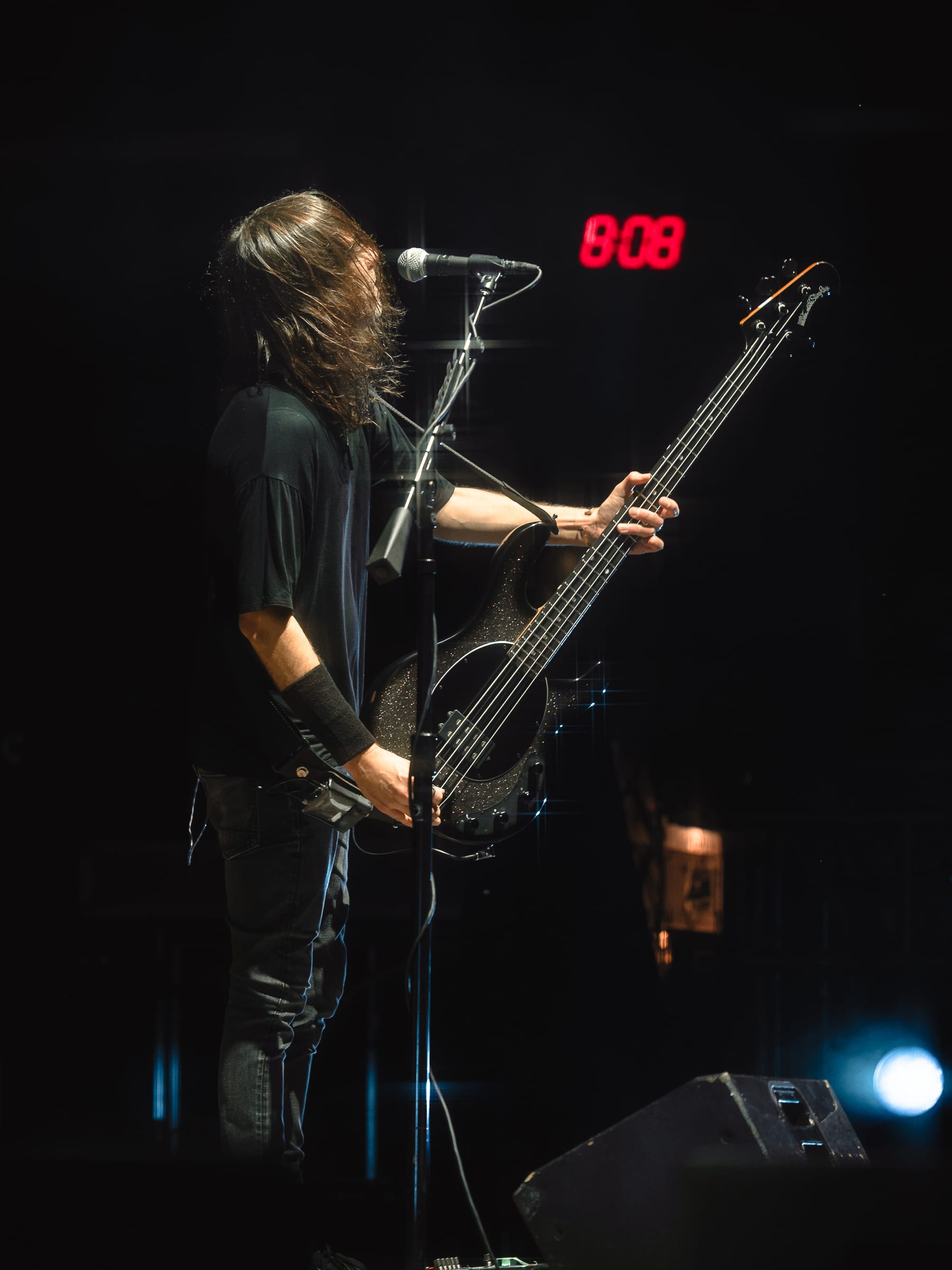
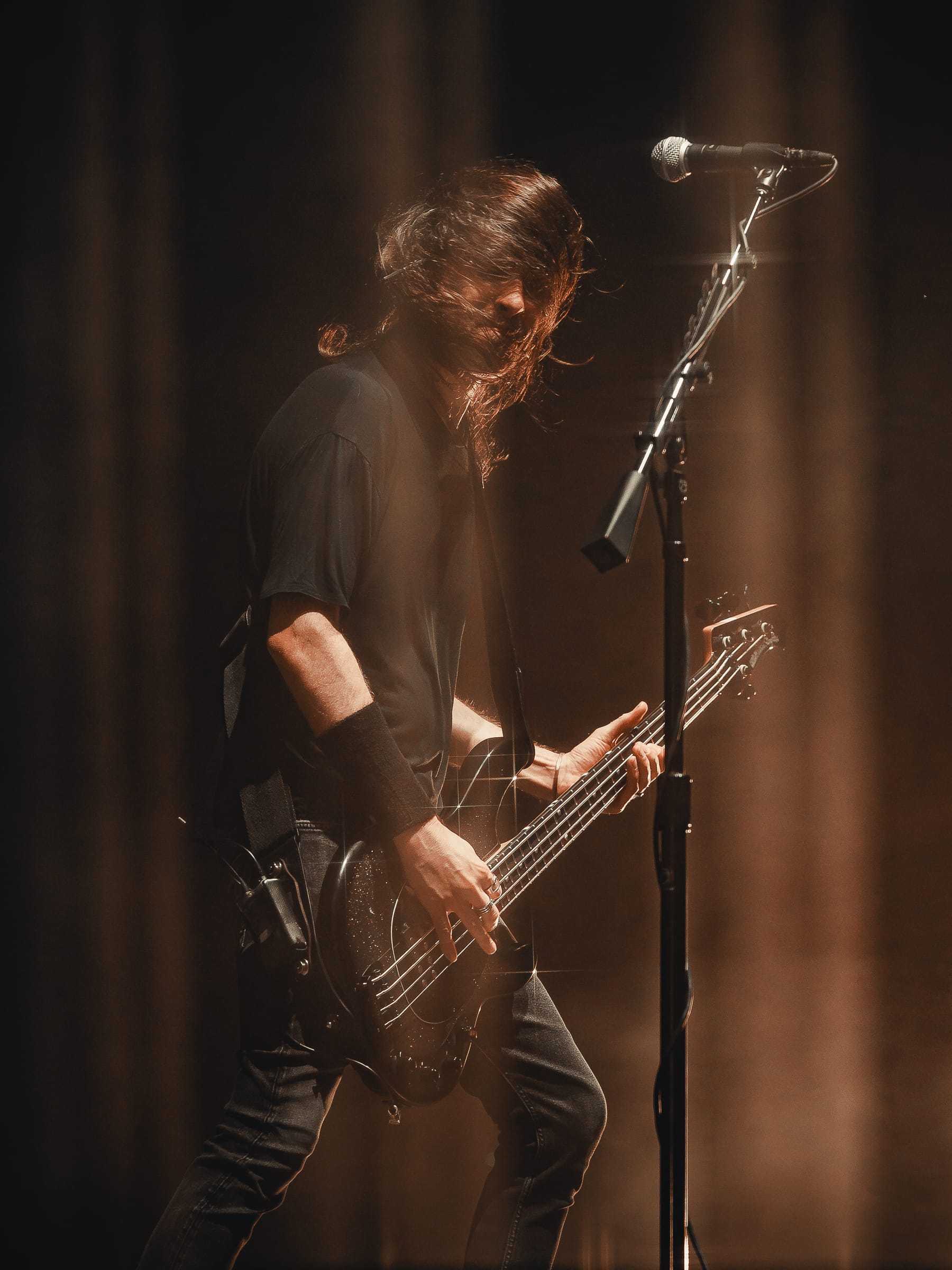
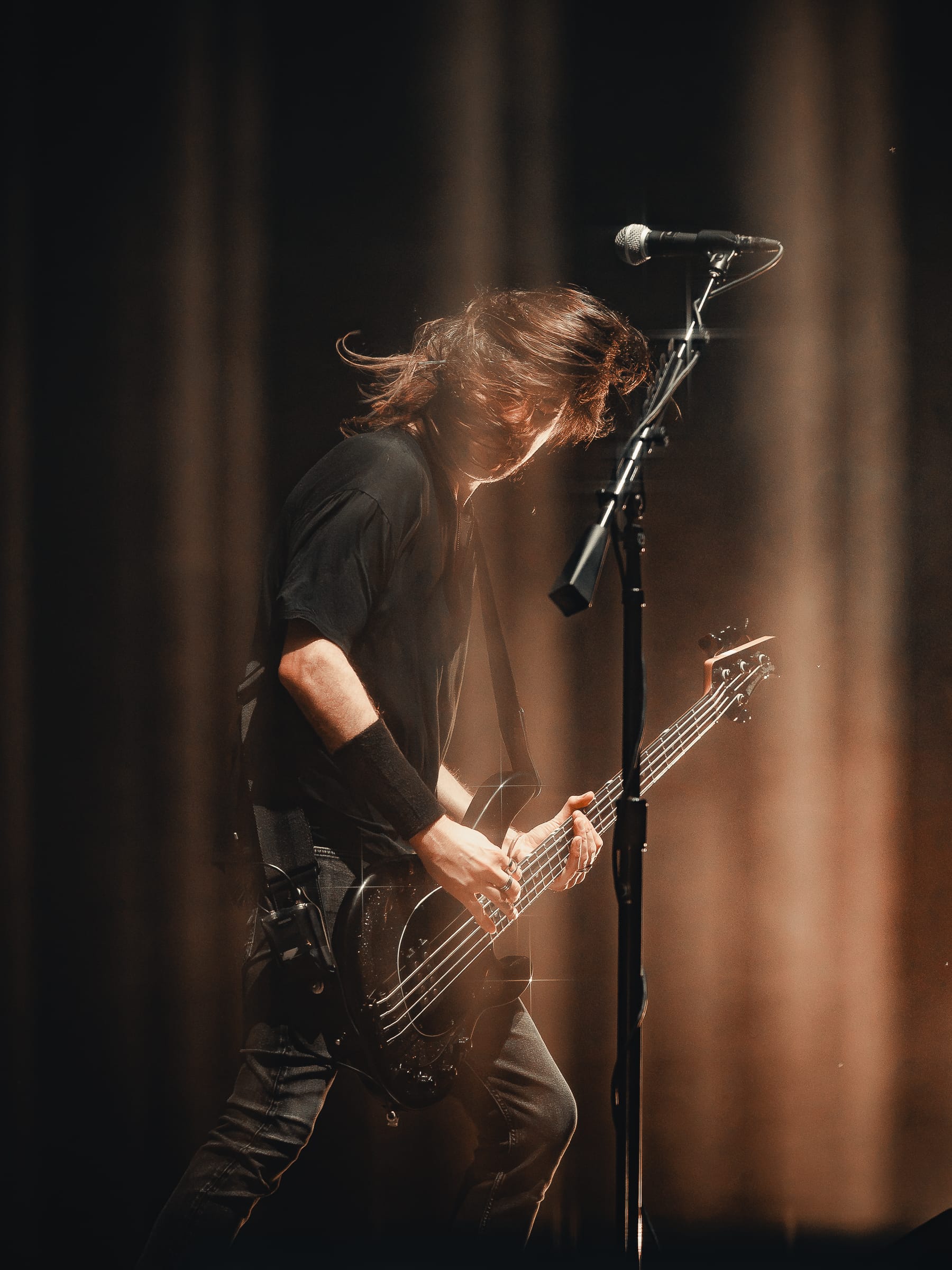
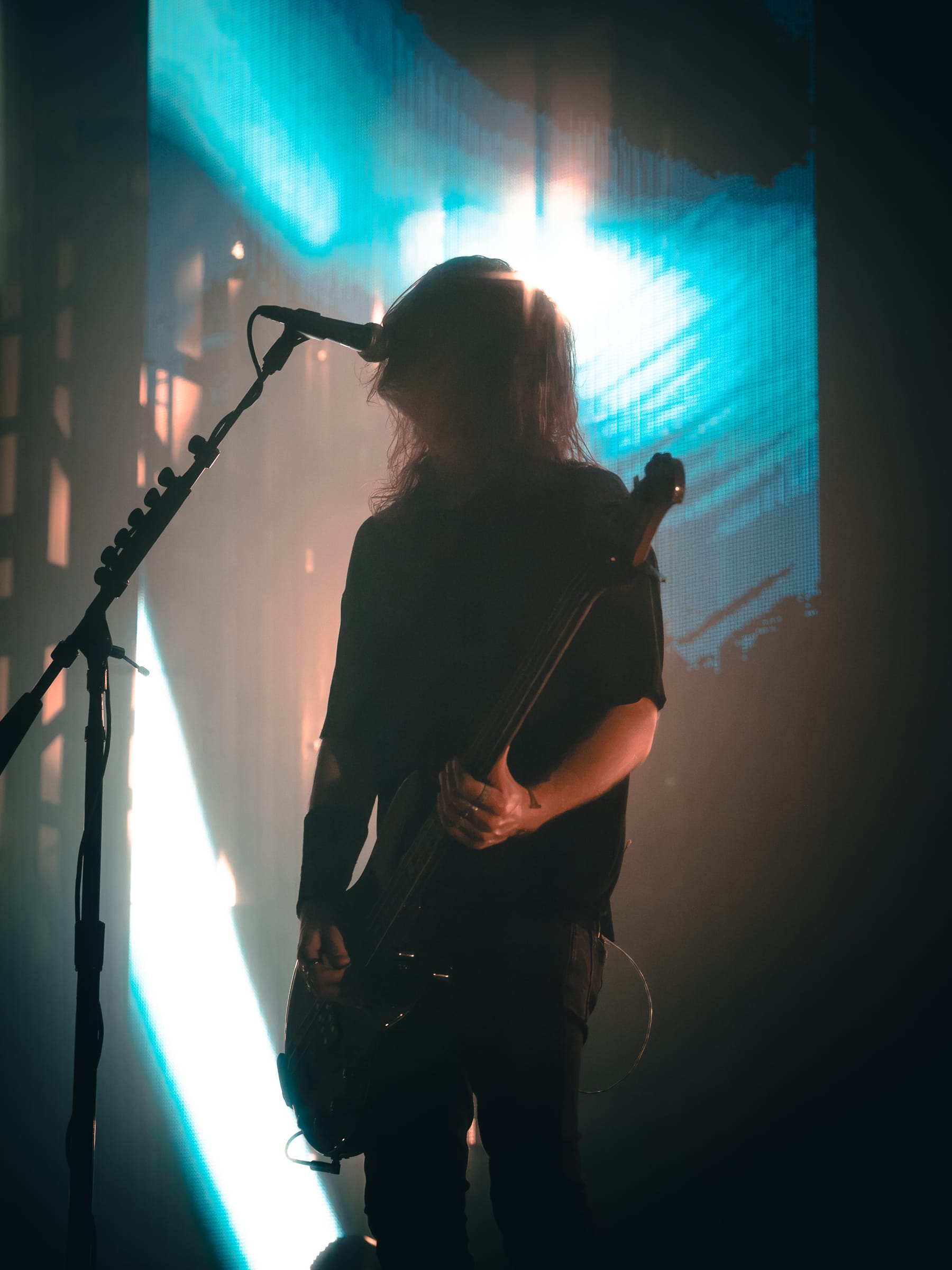
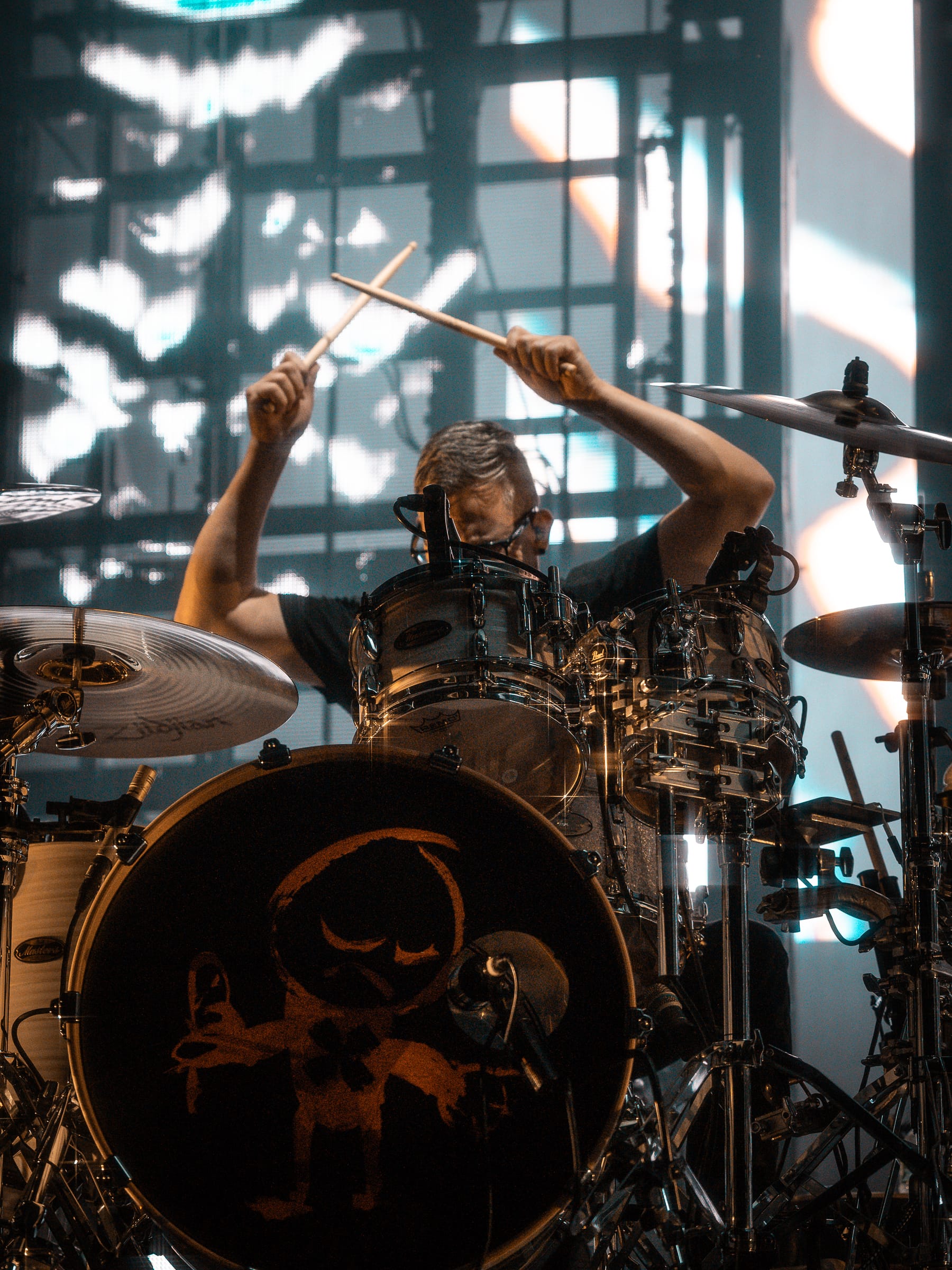
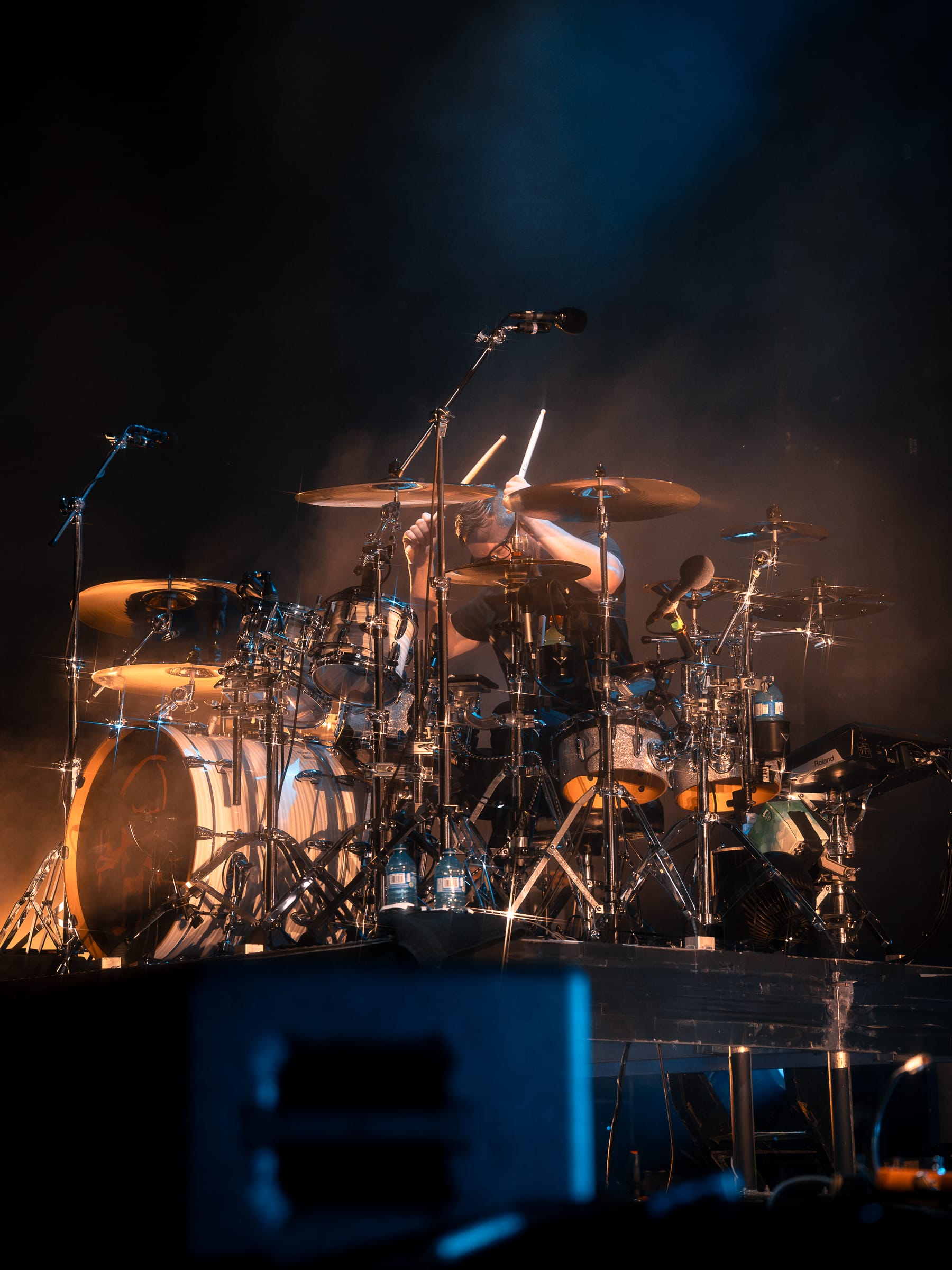
Credits: @anillien
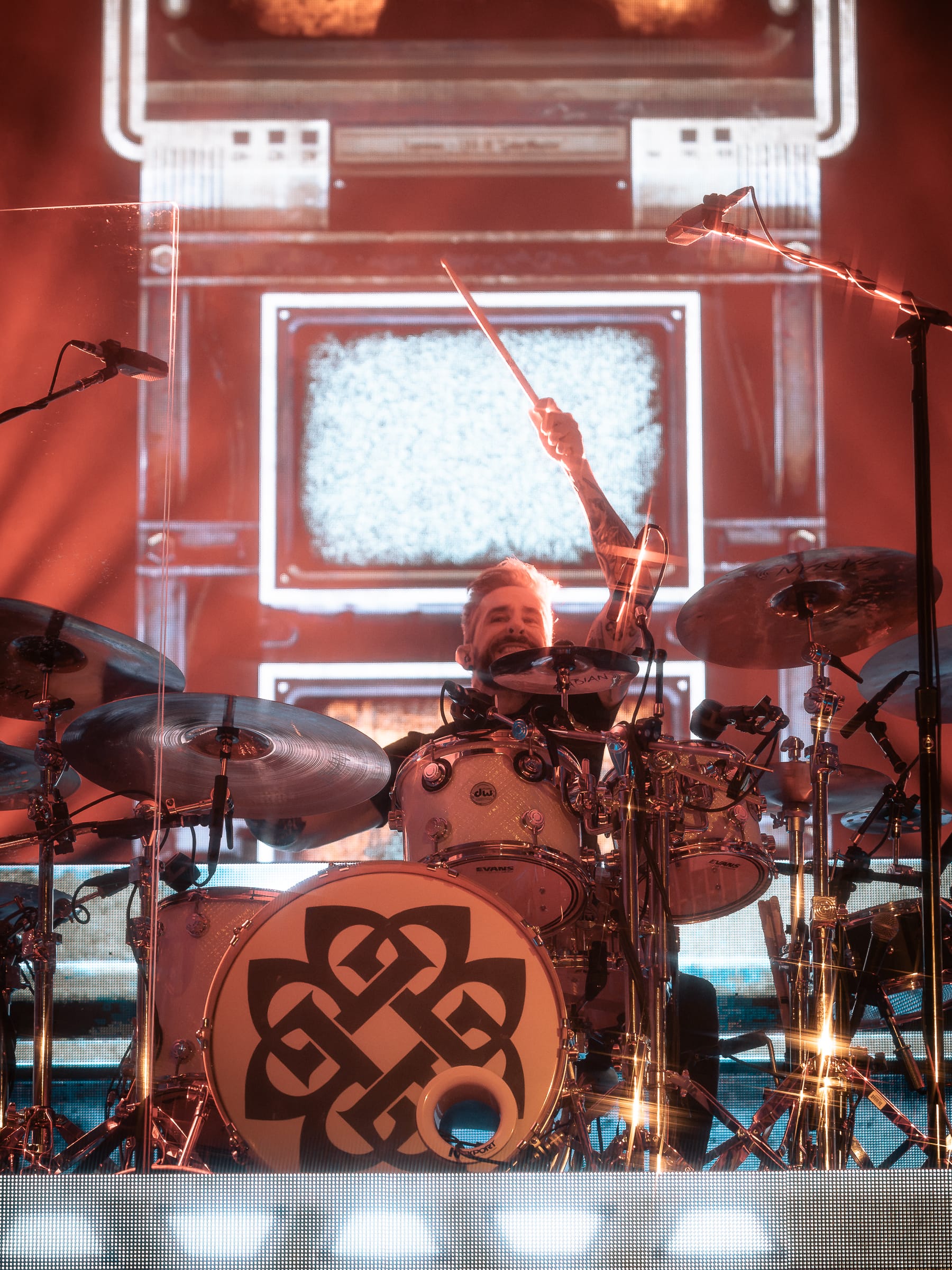
Breaking Benjamin took the stage at 9:30 p.m., opening with “I Will Not Bow.” The introduction appeared as an old Windows style desktop featuring LimeWire and other familiar early 2000s imagery. Halo 2 graphics played as the song began before error messages multiplied across the screen, causing the display to glitch. The sequence established the nostalgic computer and gaming visuals that continued throughout the set.
The stage resembled a large computer terminal with three screens built into its centre. Halo footage later introduced “Blow Me Away” to a huge reaction, while castle imagery, old clips of the band and short “how to dance like Breaking Benjamin” tutorials appeared between songs. The mix of serious and humorous visuals gave the show more personality than a standard collection of background graphics.
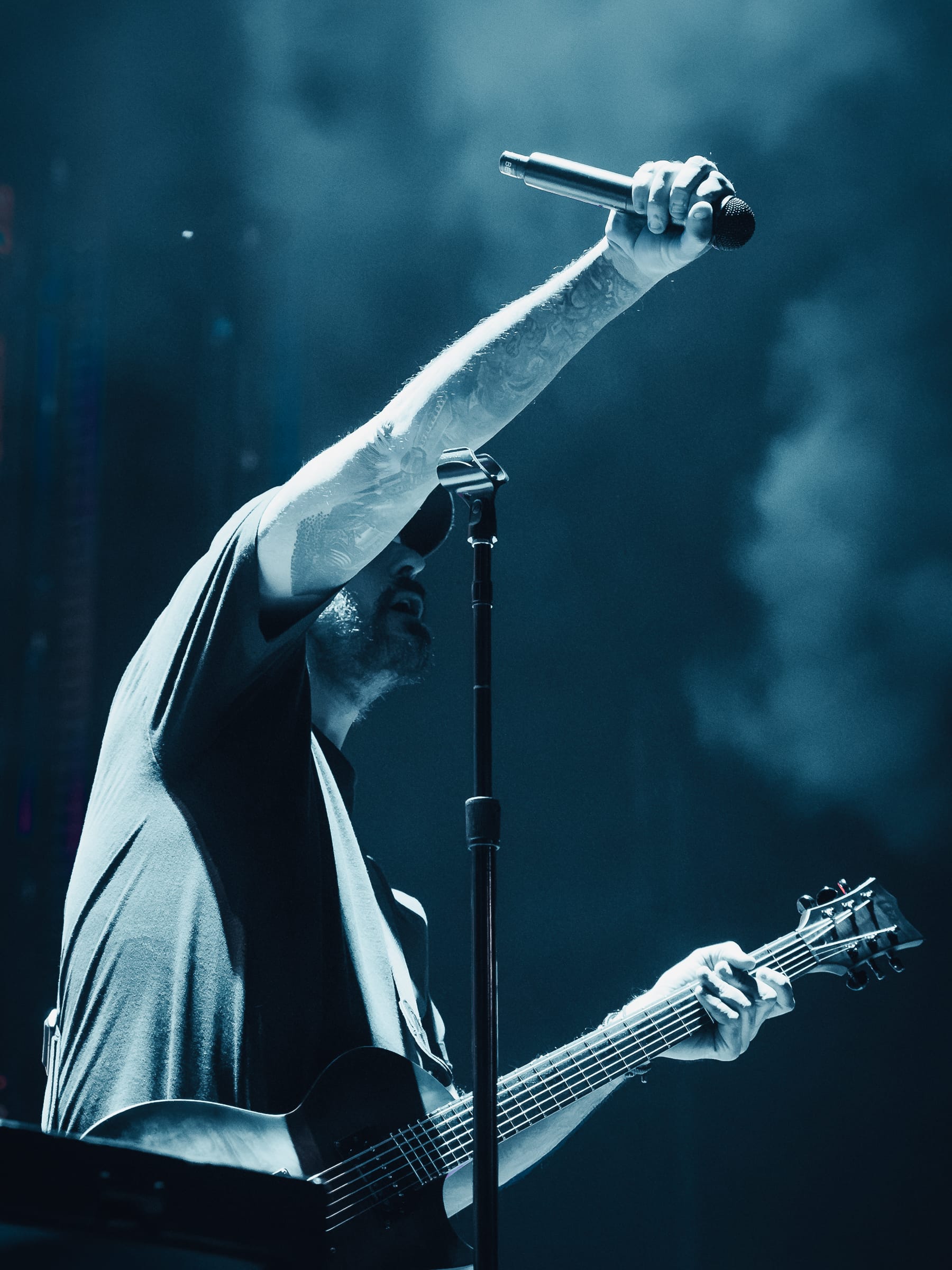
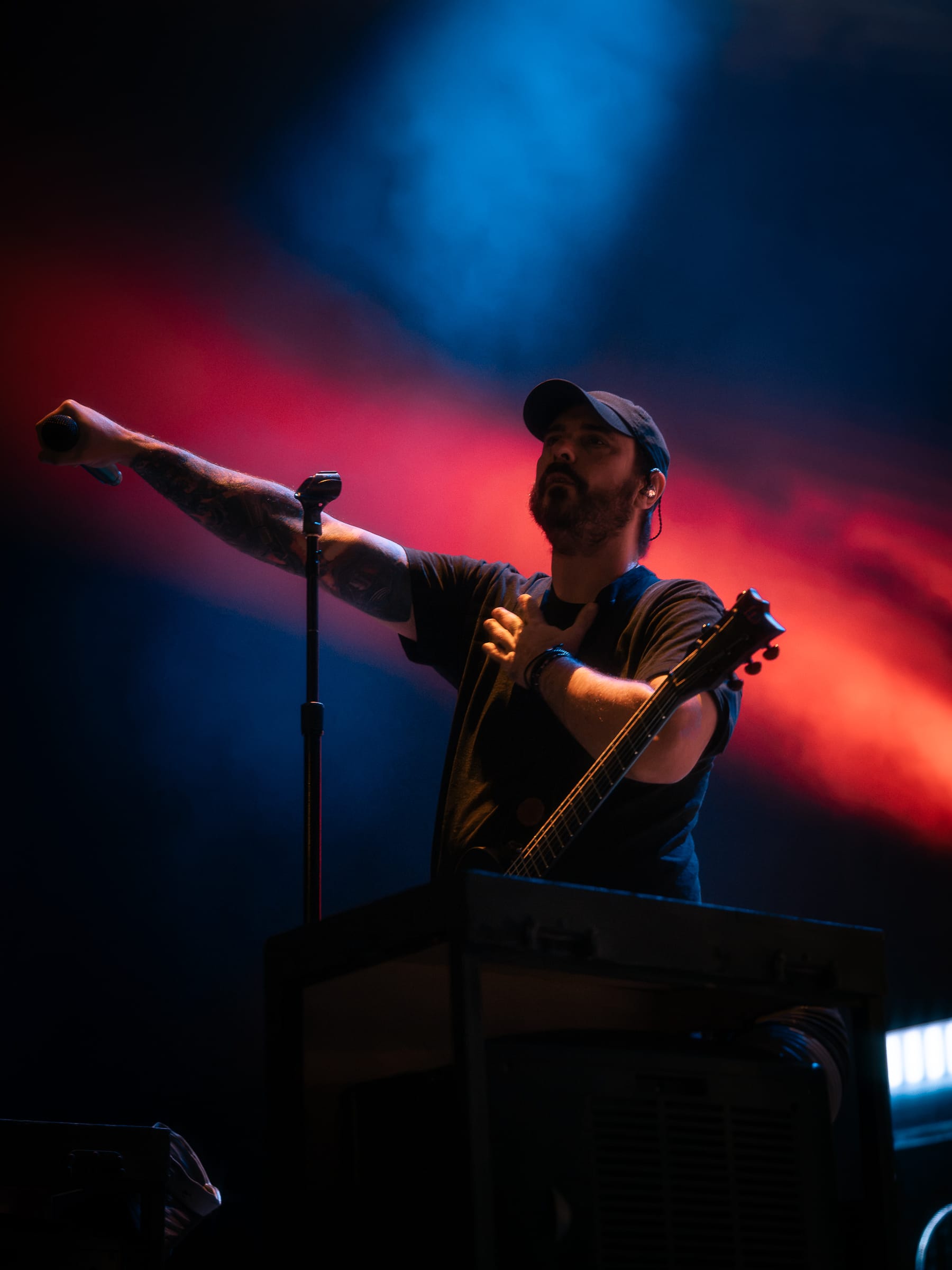
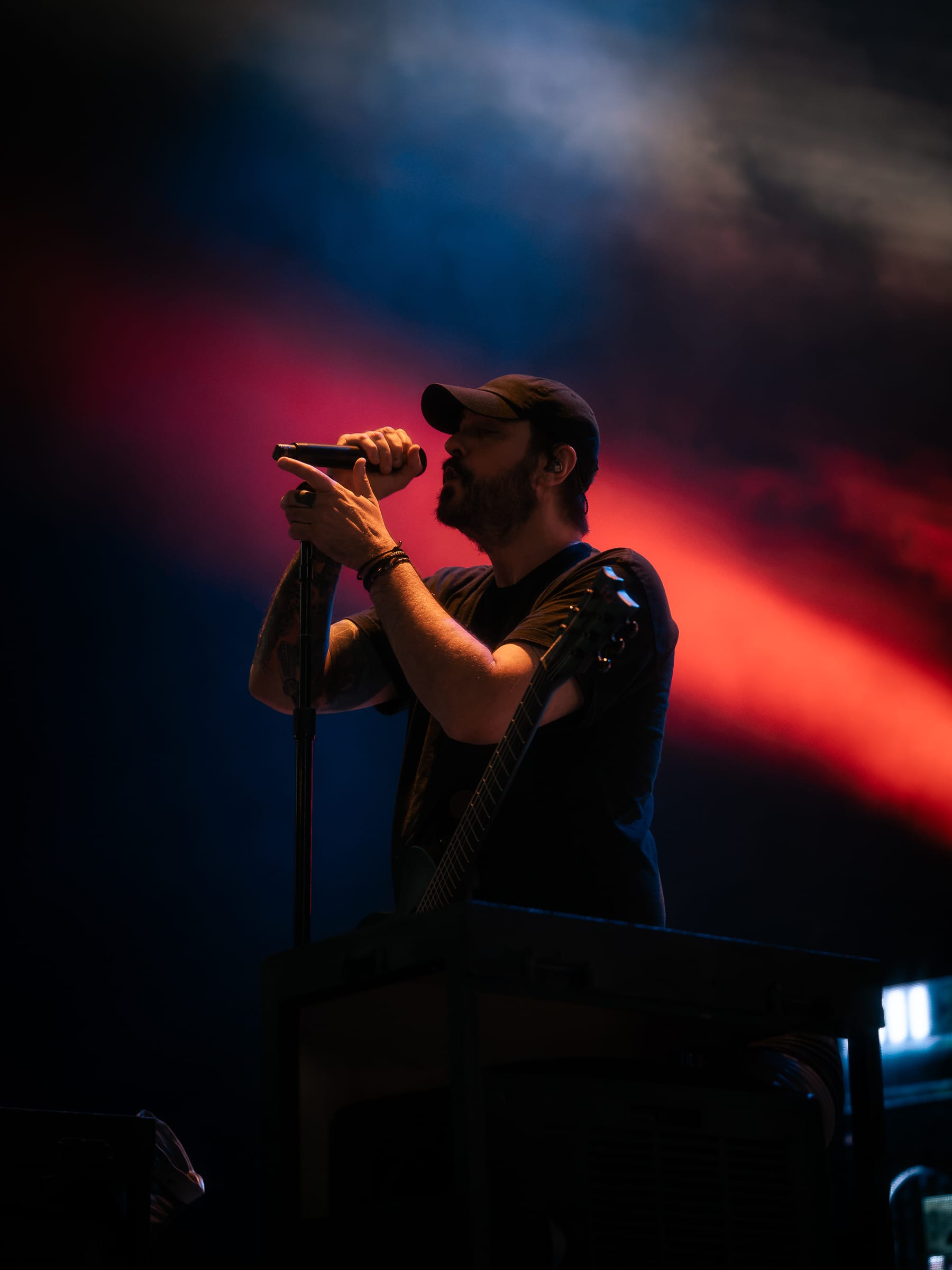
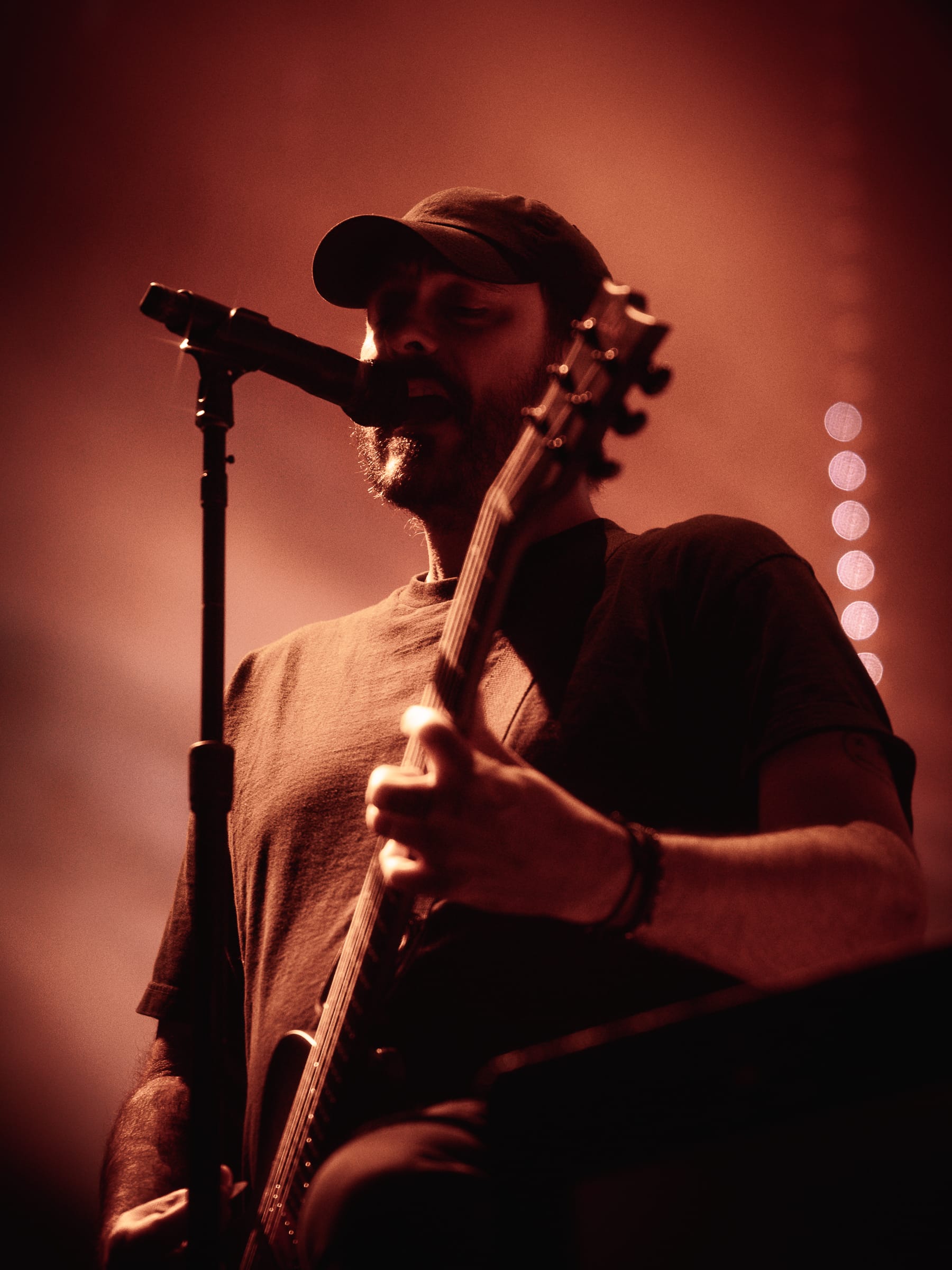
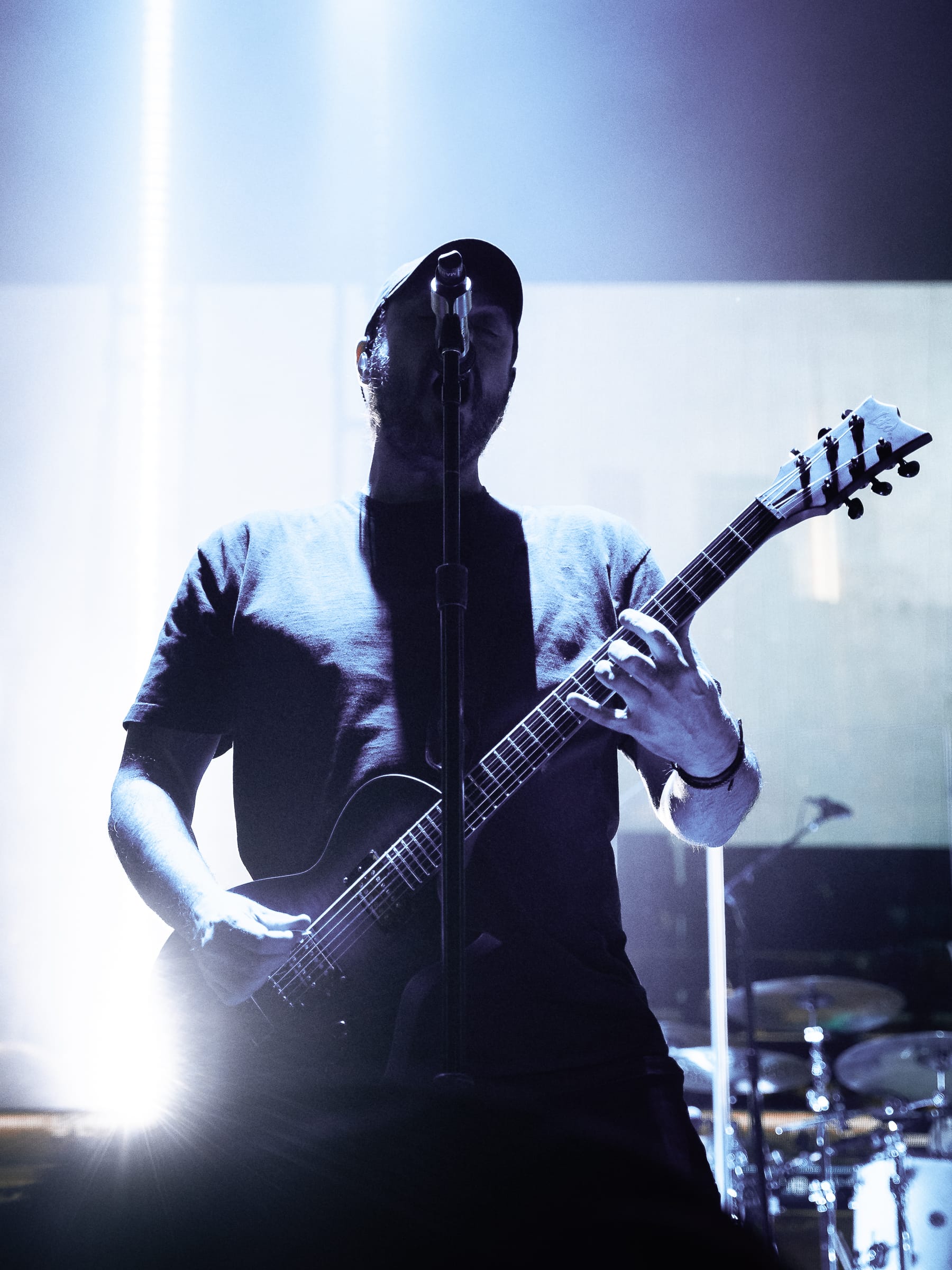
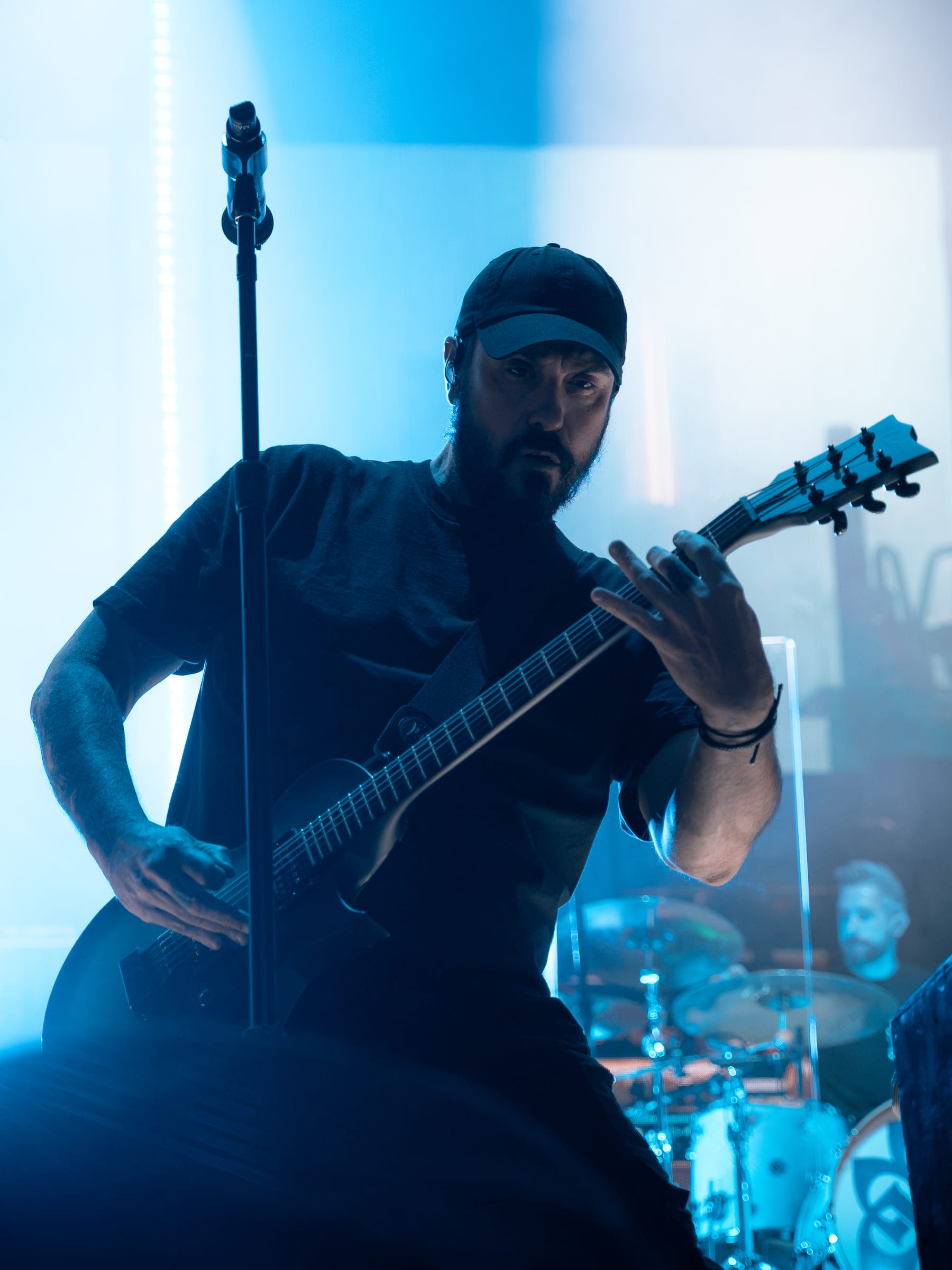
Credits: @anillien
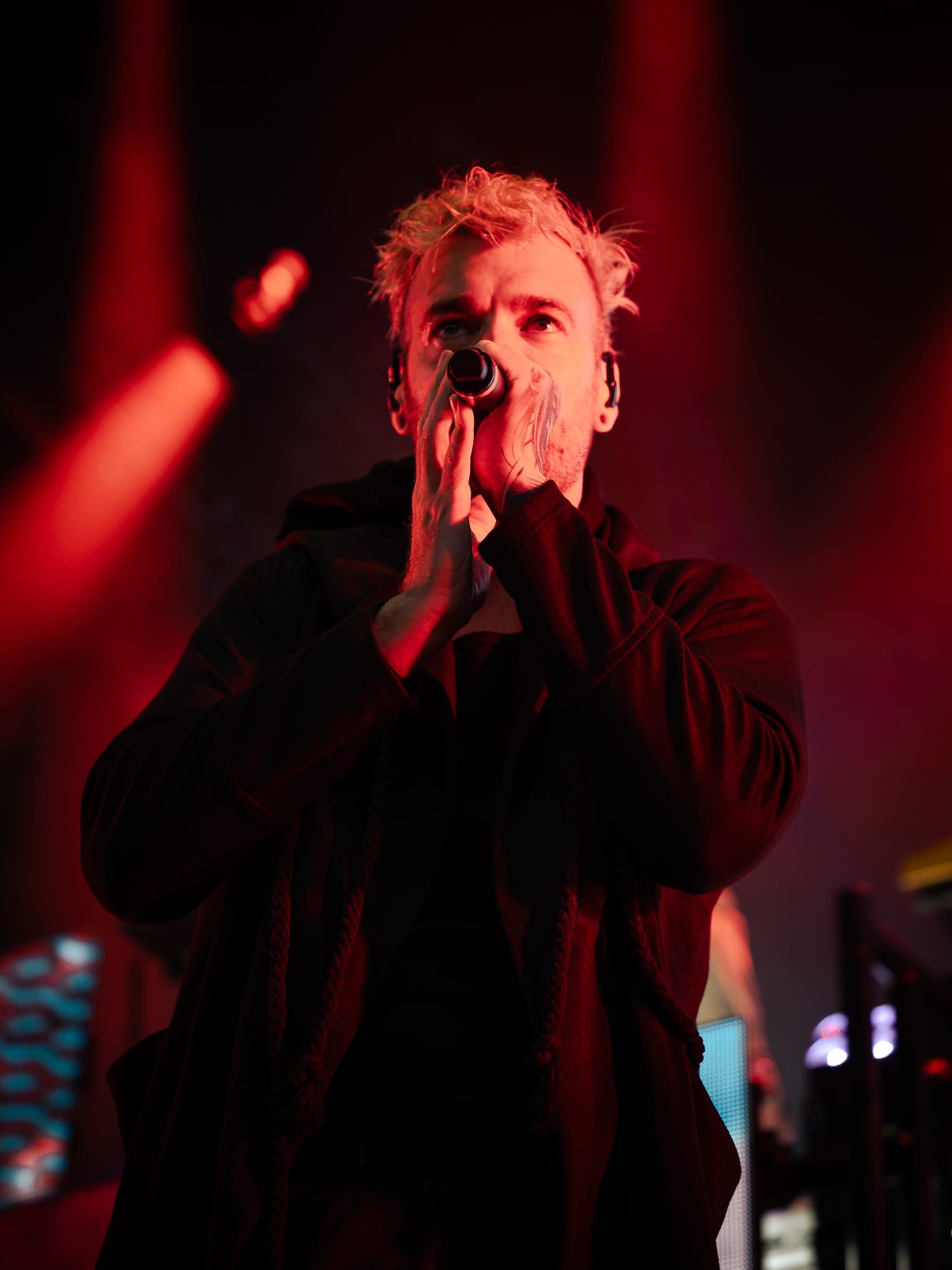
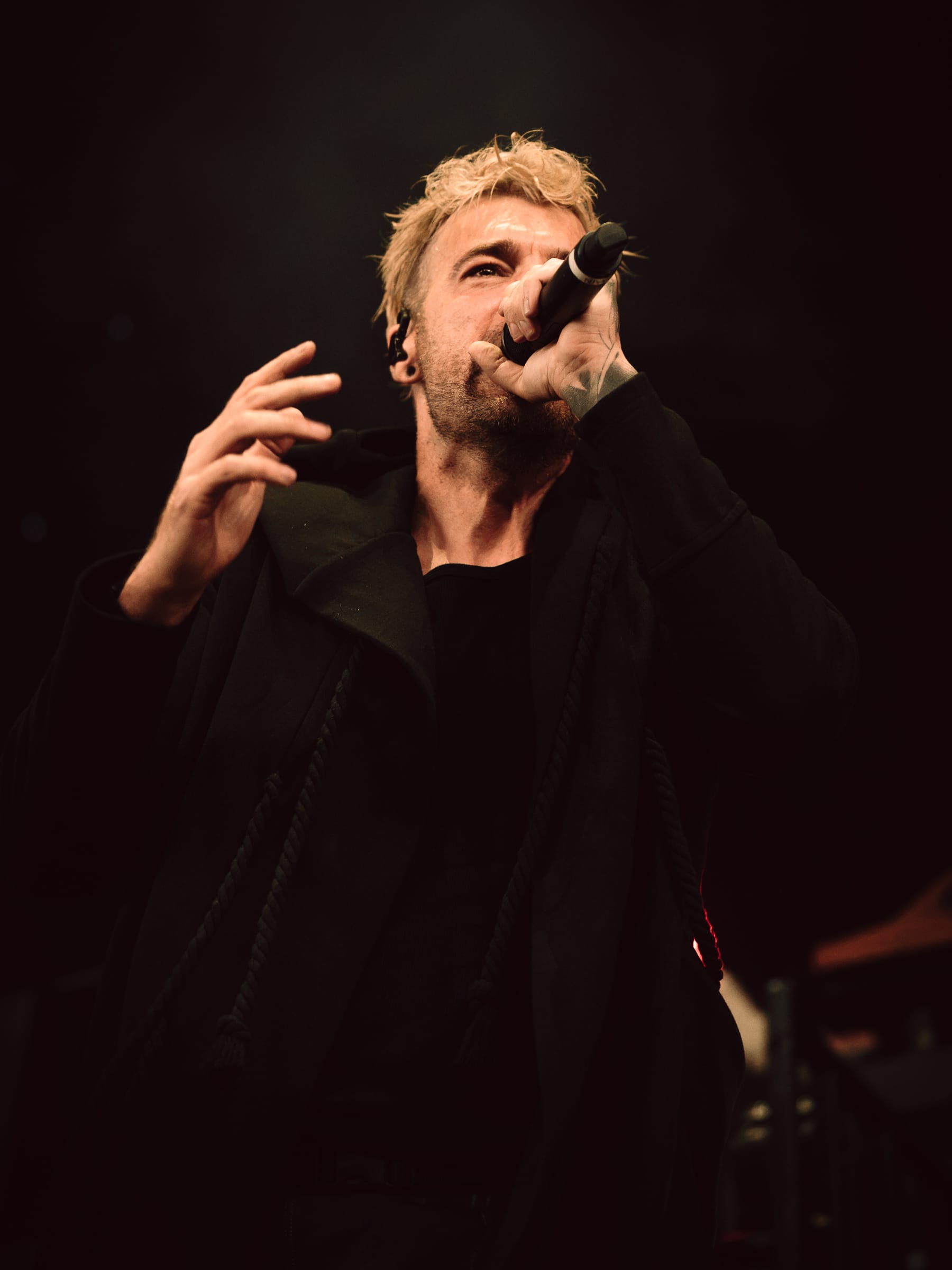
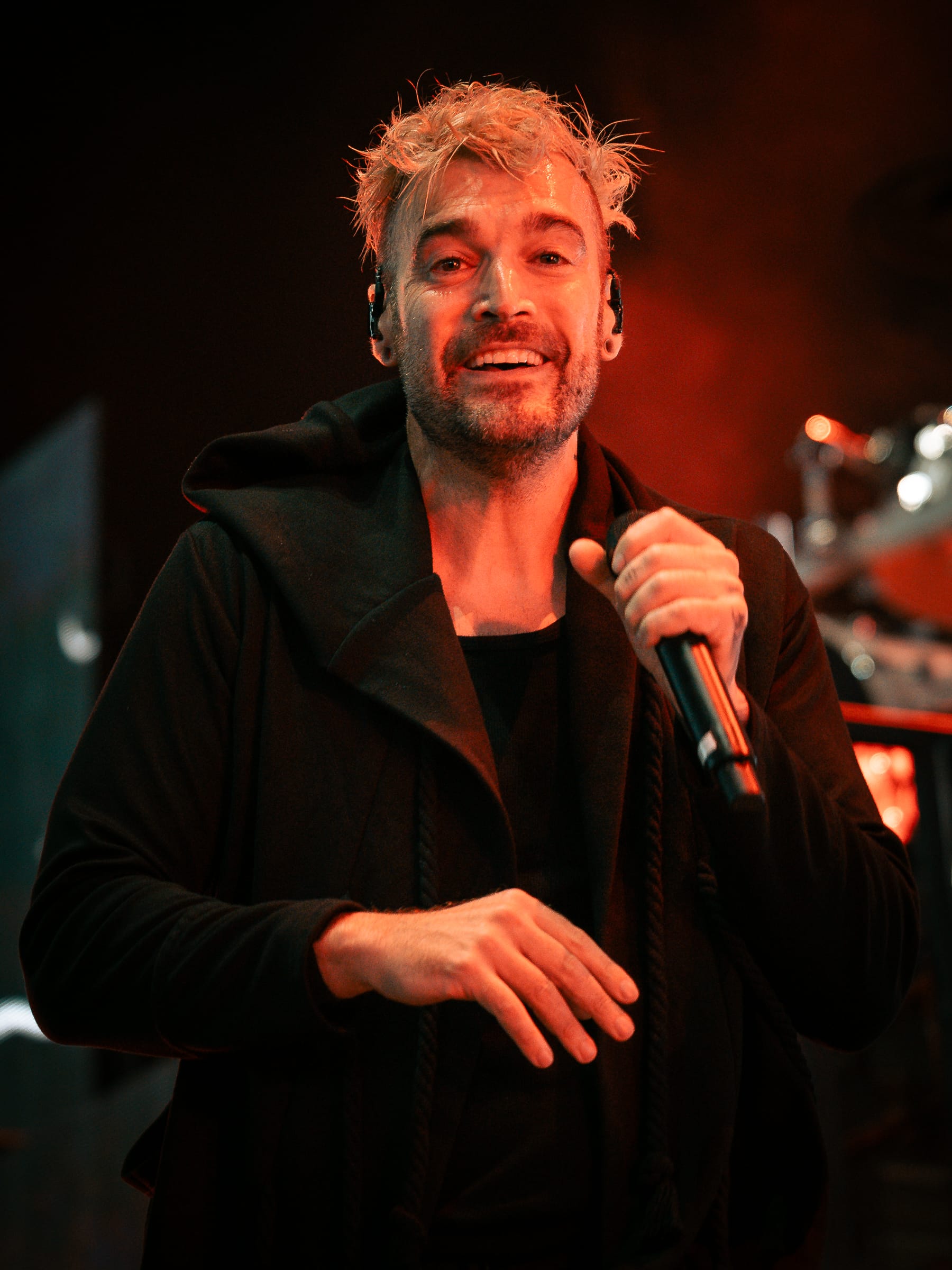
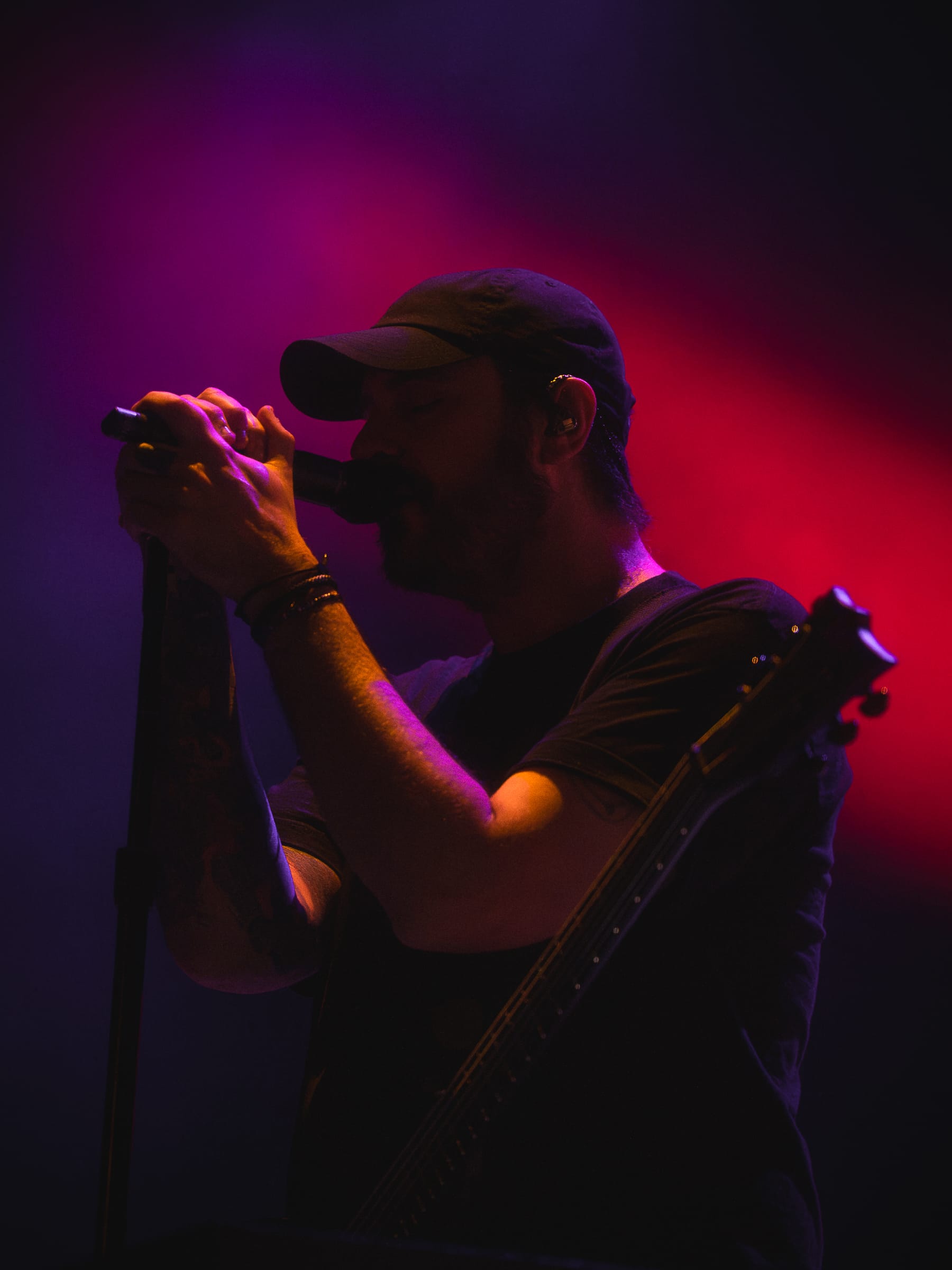
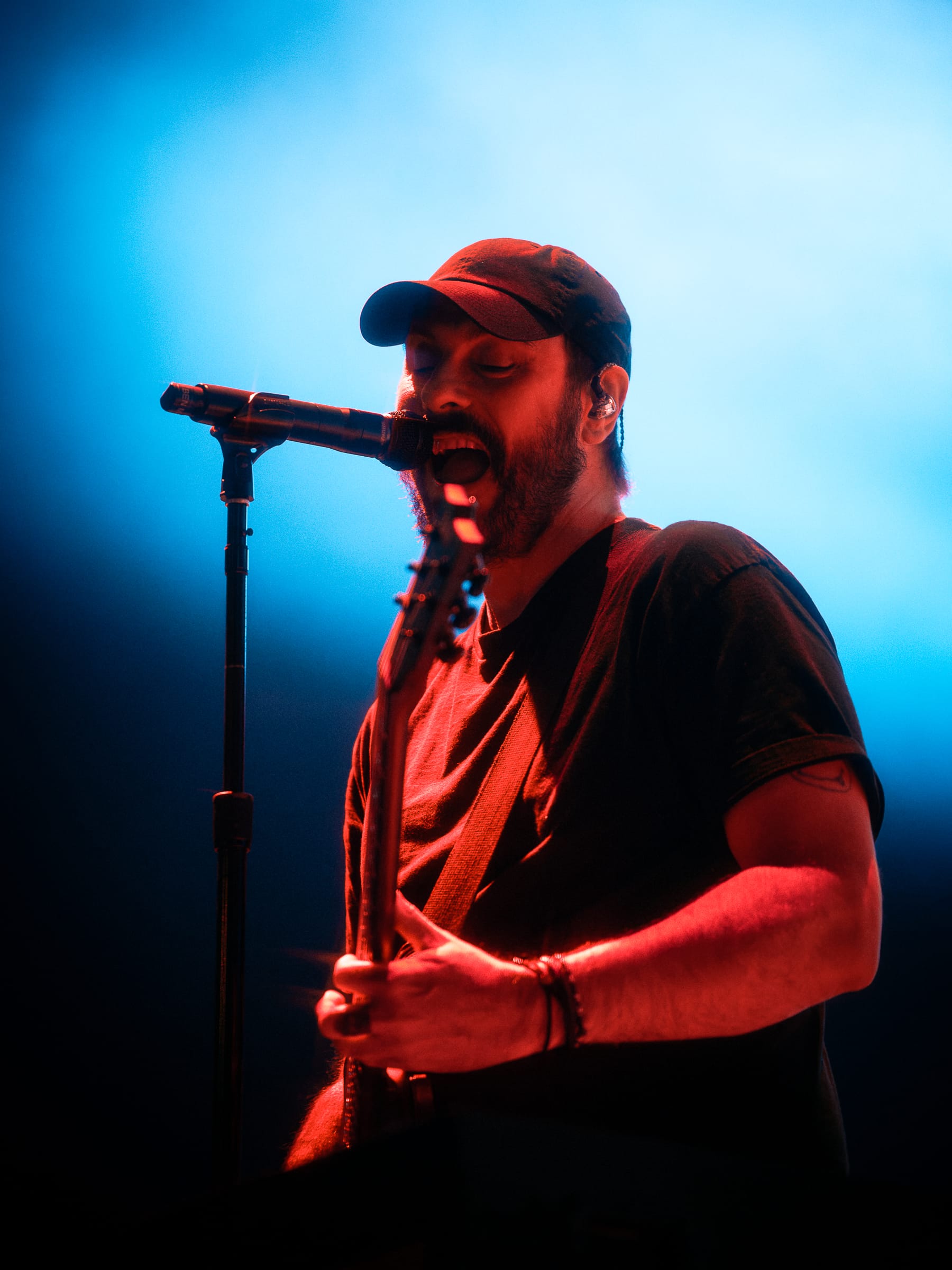
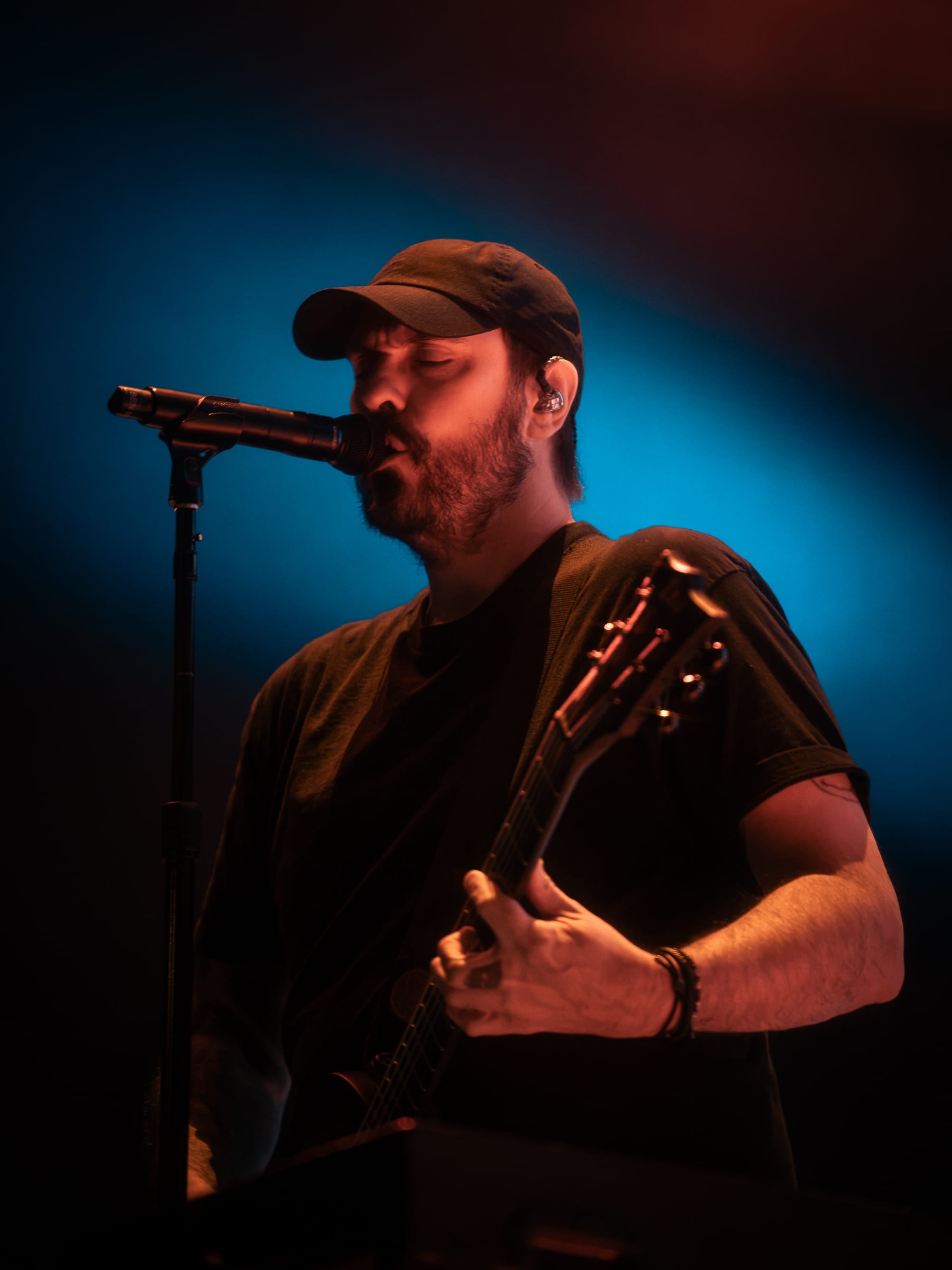
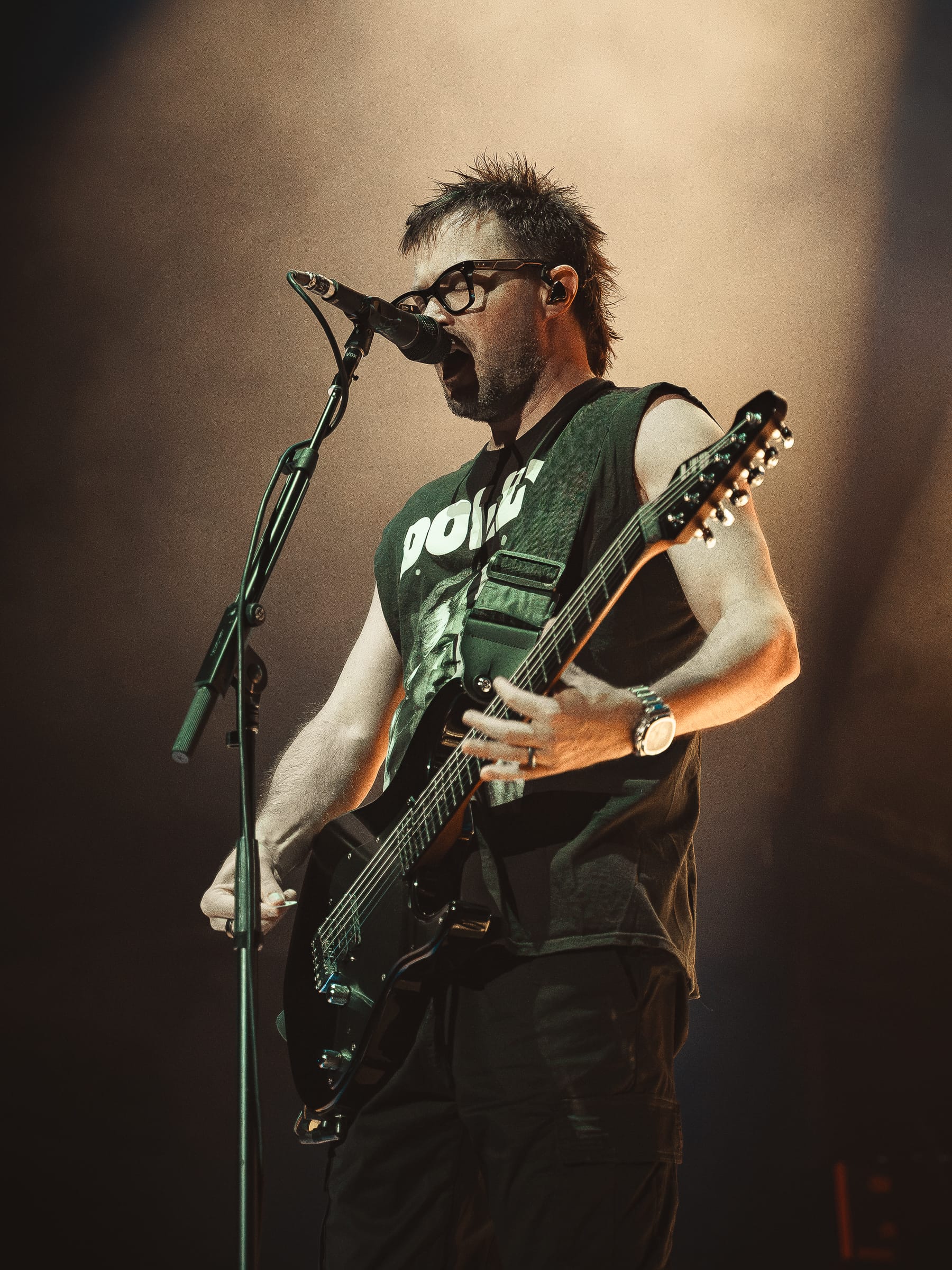
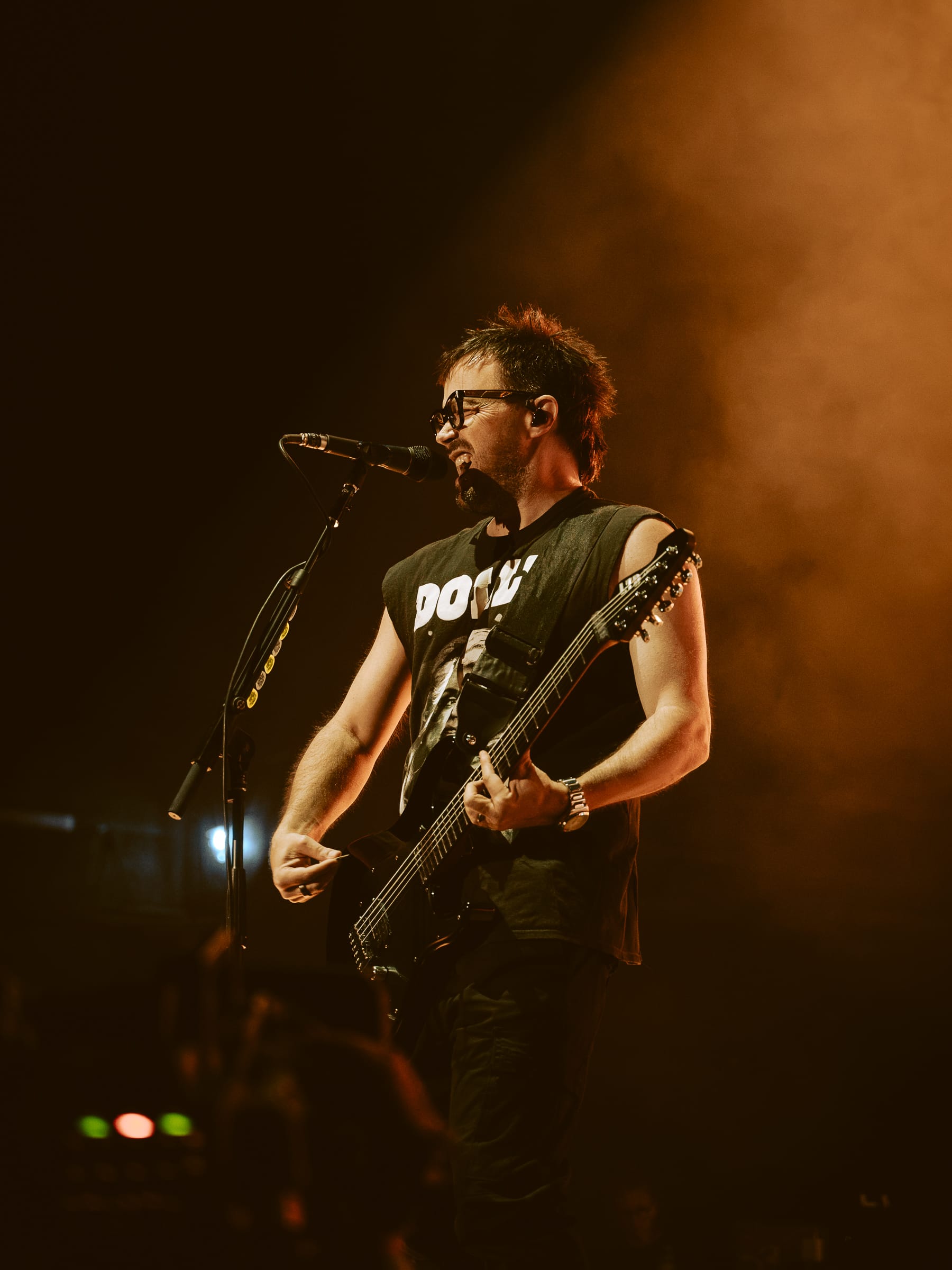
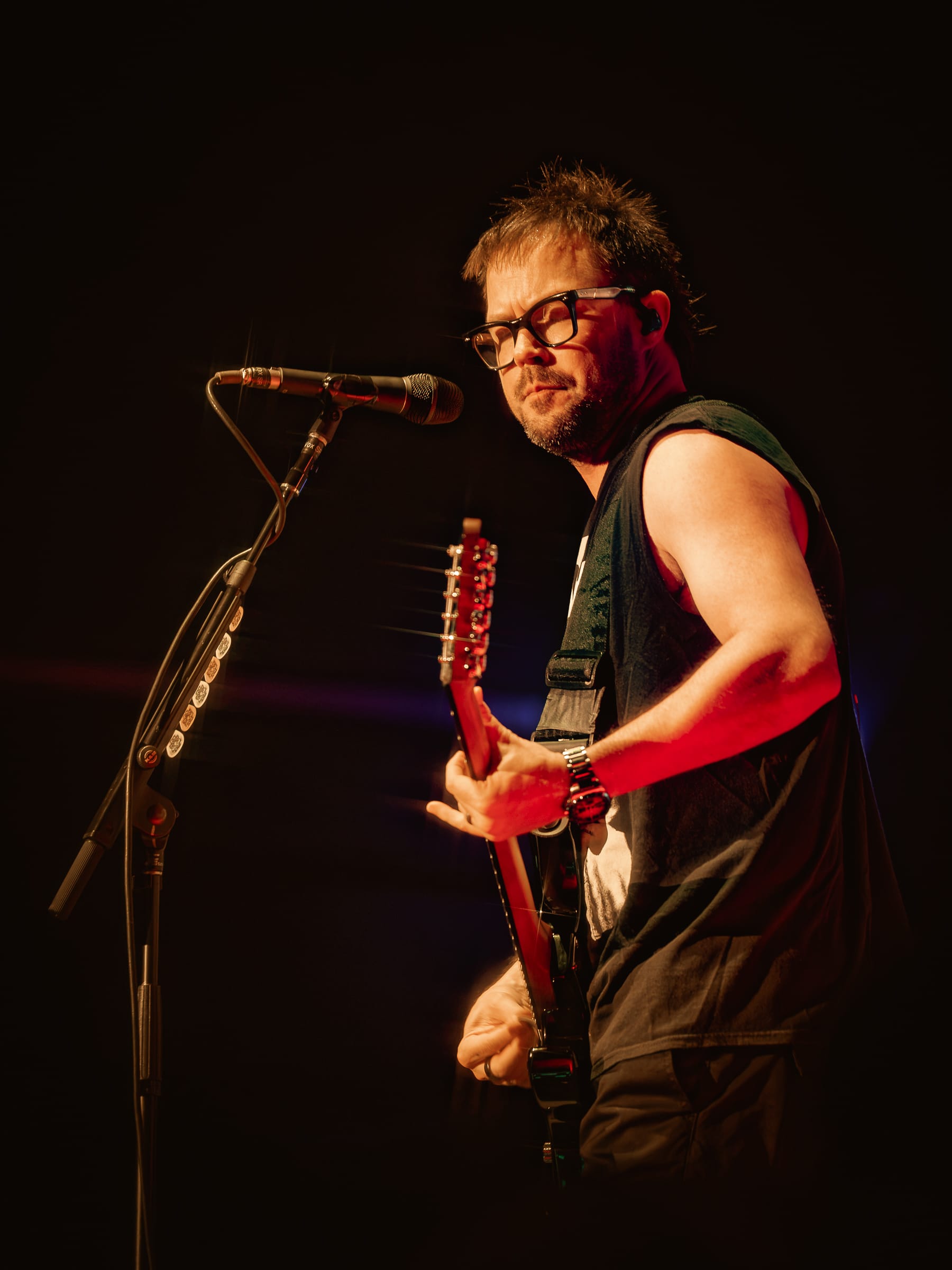
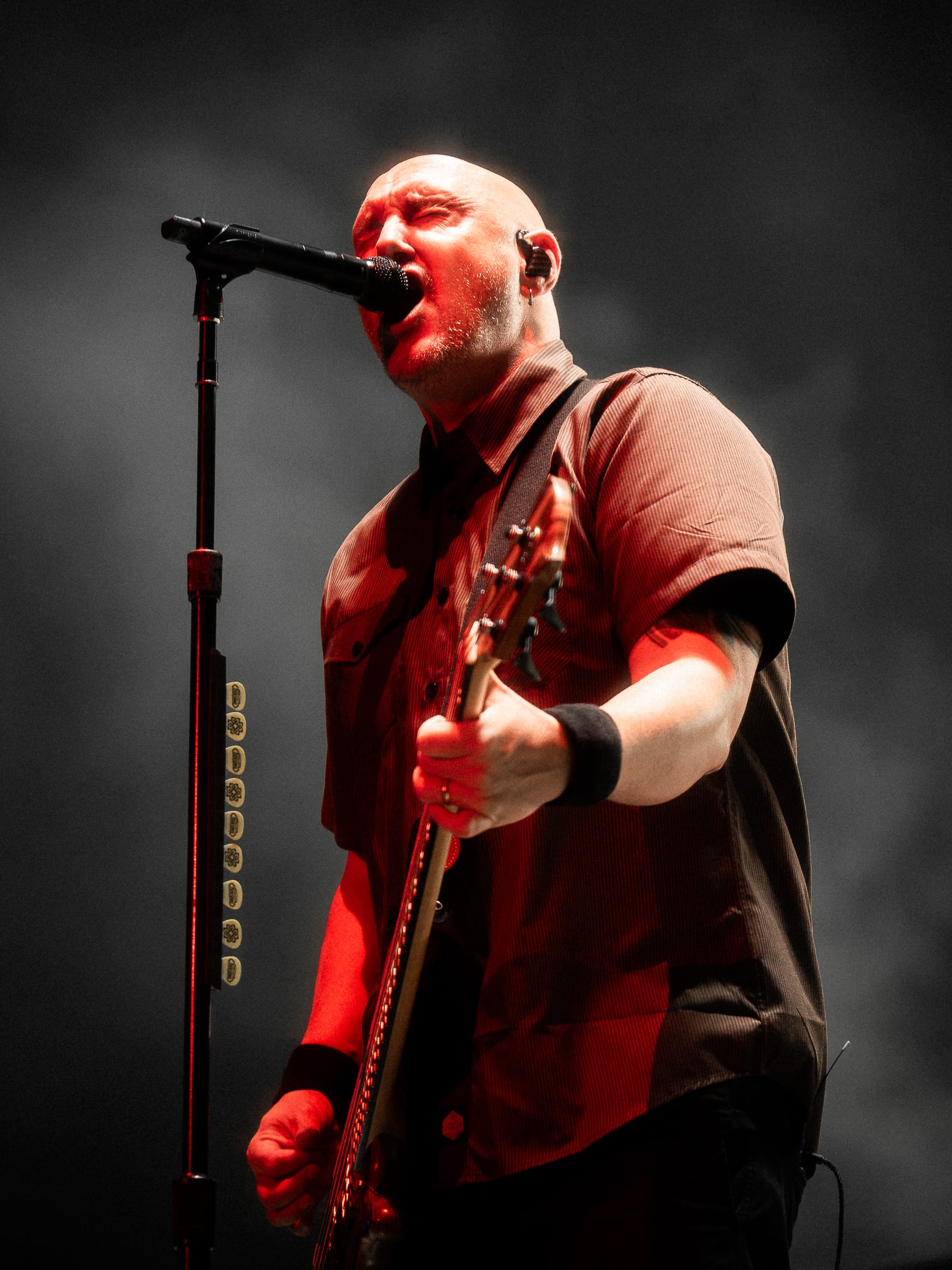
Lead vocalist Benjamin Burnley remained near centre stage and spent much of the performance partially hidden in shadow. The darker lighting suited the mood of the music, although it made him challenging to capture at times.
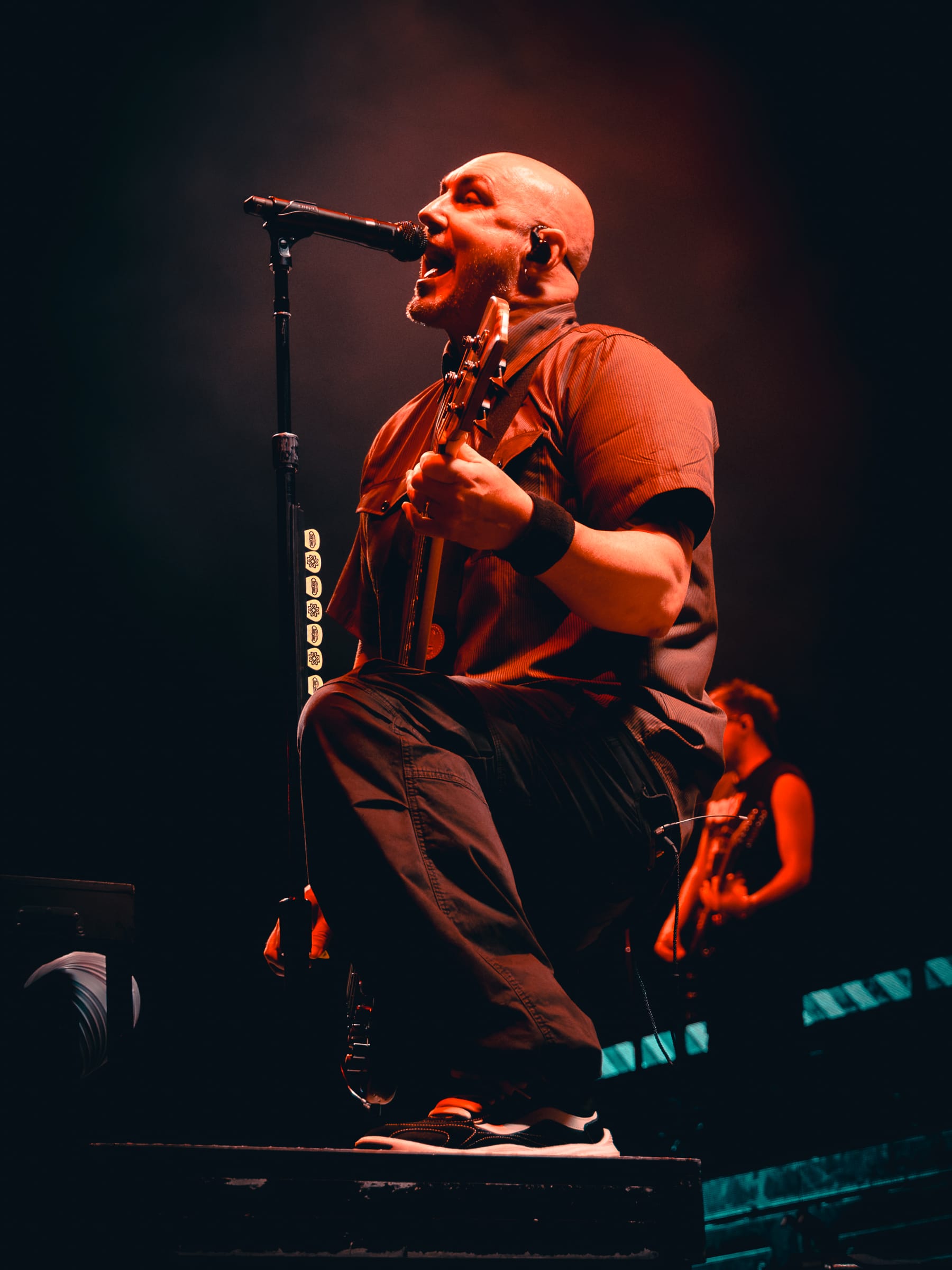
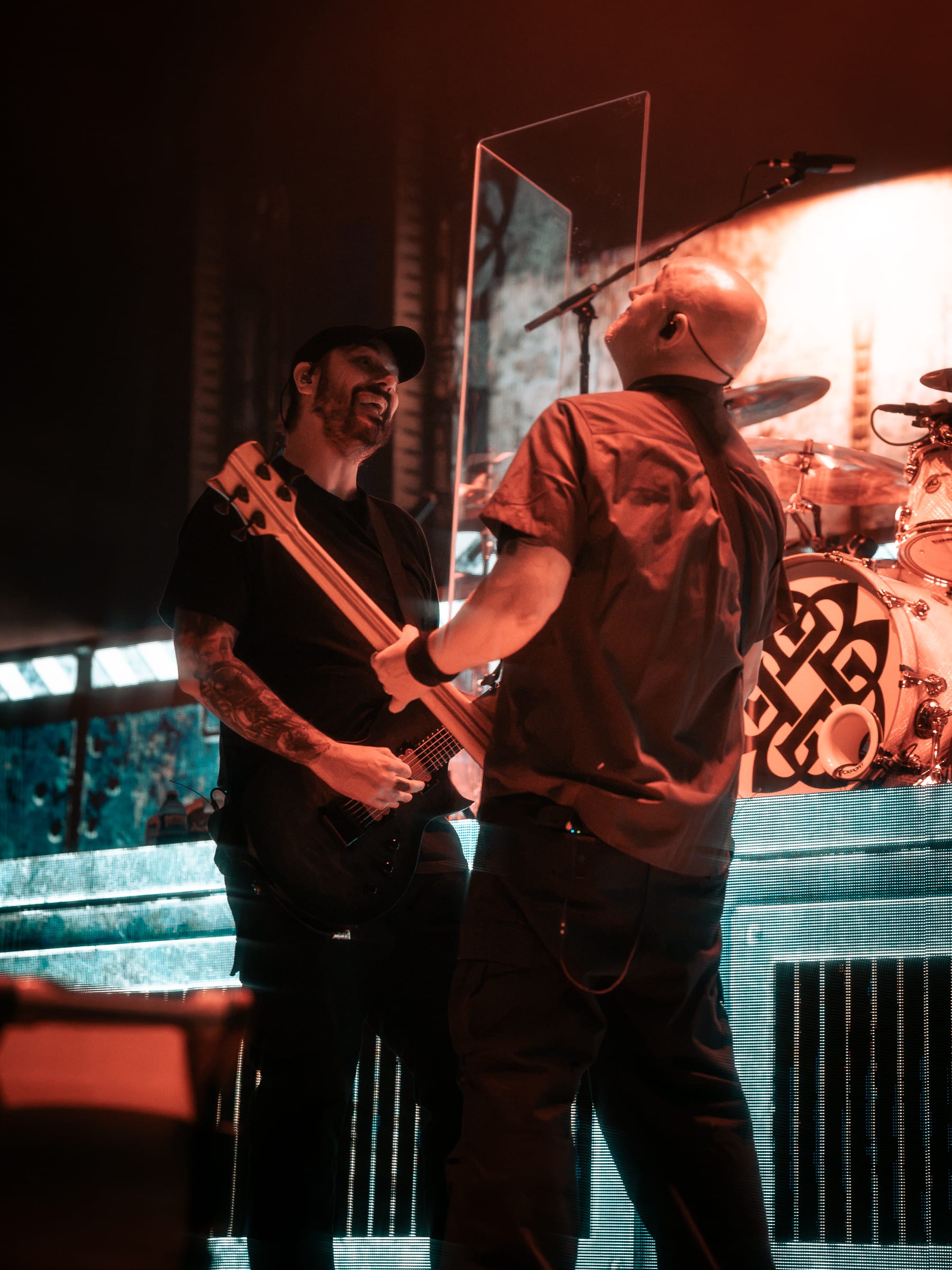
Burnley sounded powerful and controlled, with his clean vocals remaining clear throughout the performance. That ability was especially noticeable during “Dear Agony.” Bassist Aaron Bruch added harsher backing vocals and screams, while the other members contributed additional vocal layers that gave the choruses greater depth.
The vocal ability across the lineup became one of the night’s biggest surprises. Bates and the members of Breaking Benjamin could move between aggressive screams and strong melodic singing, showing skill on both sides rather than relying on one style alone.
The crowd remained heavily involved as the set progressed. “Angels Fall” had much of the visible audience standing and singing, while “So Cold” became a full crowd moment. Burnley let Toronto carry part of the song before challenging the audience to give him even more, drawing a louder response as a sea of hands rose across the floor.
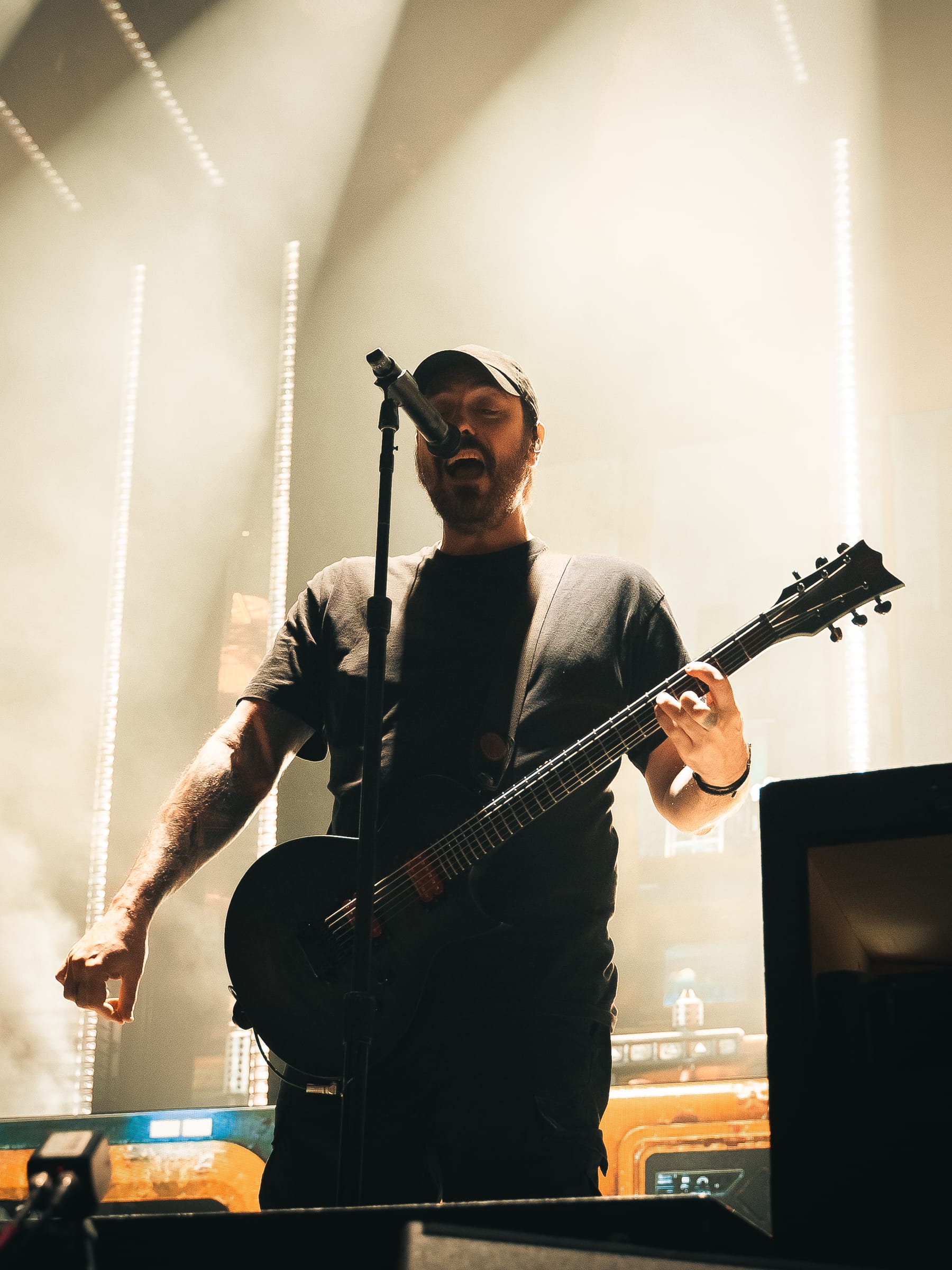
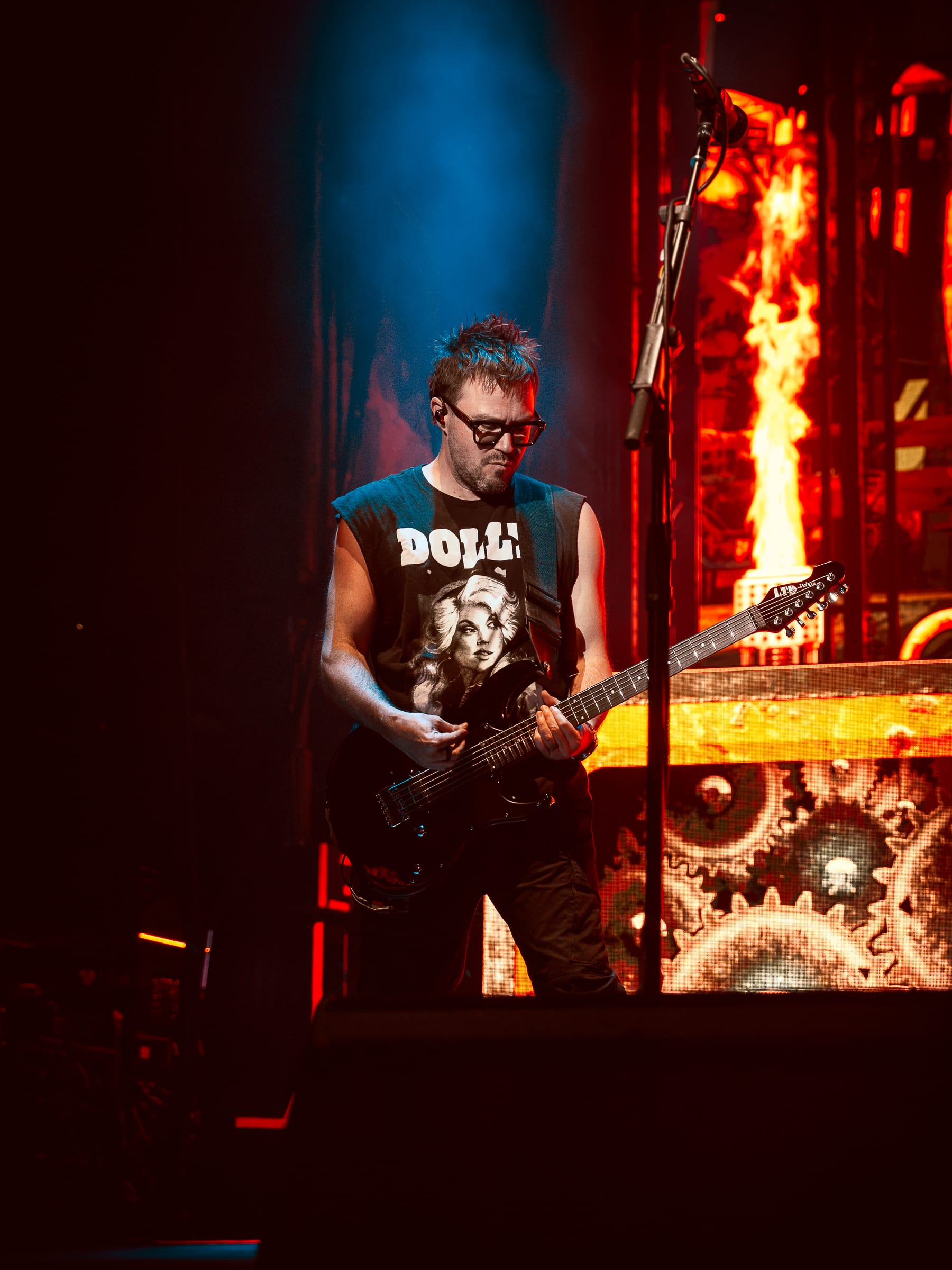
Credits: @anillien
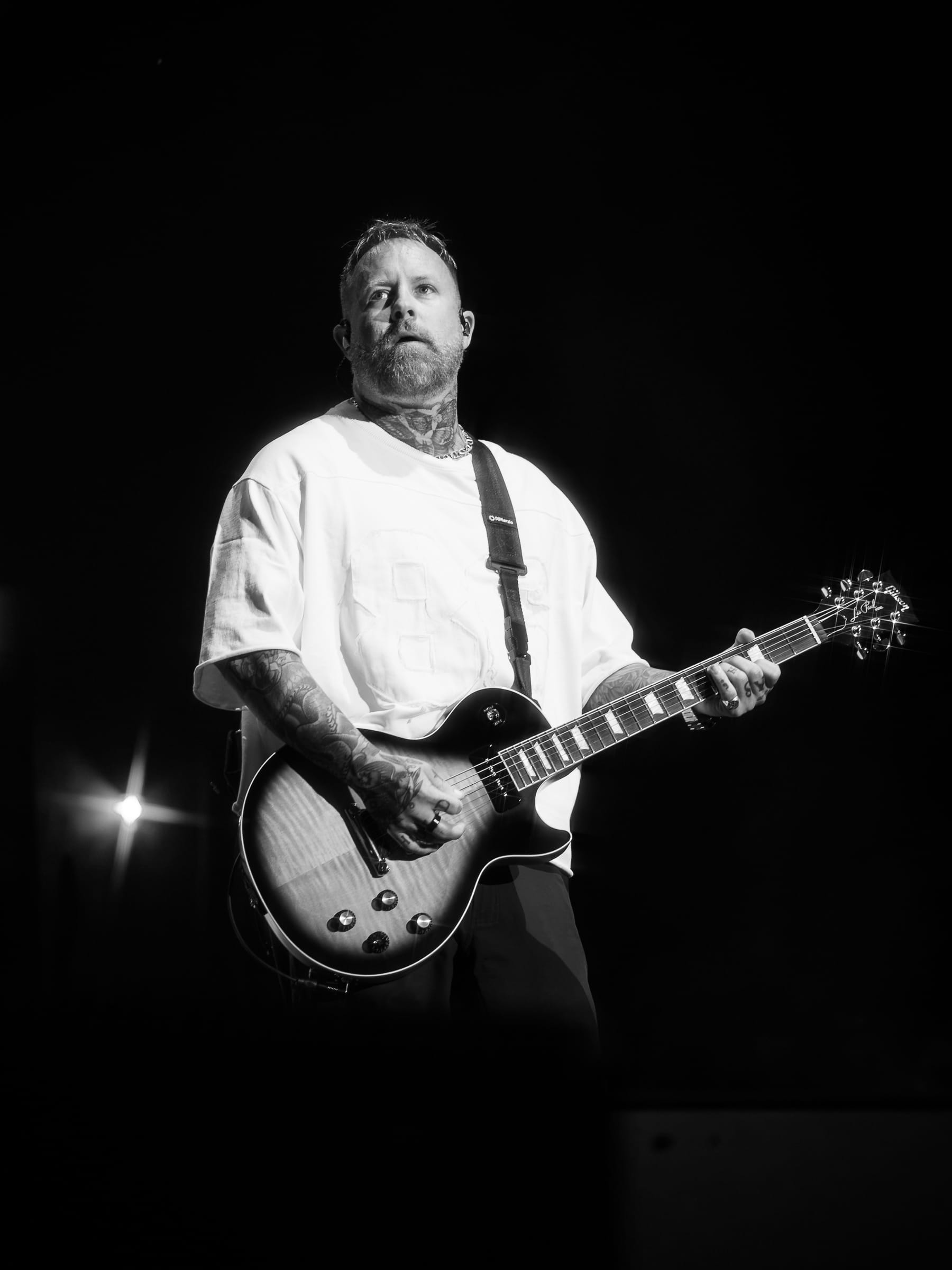
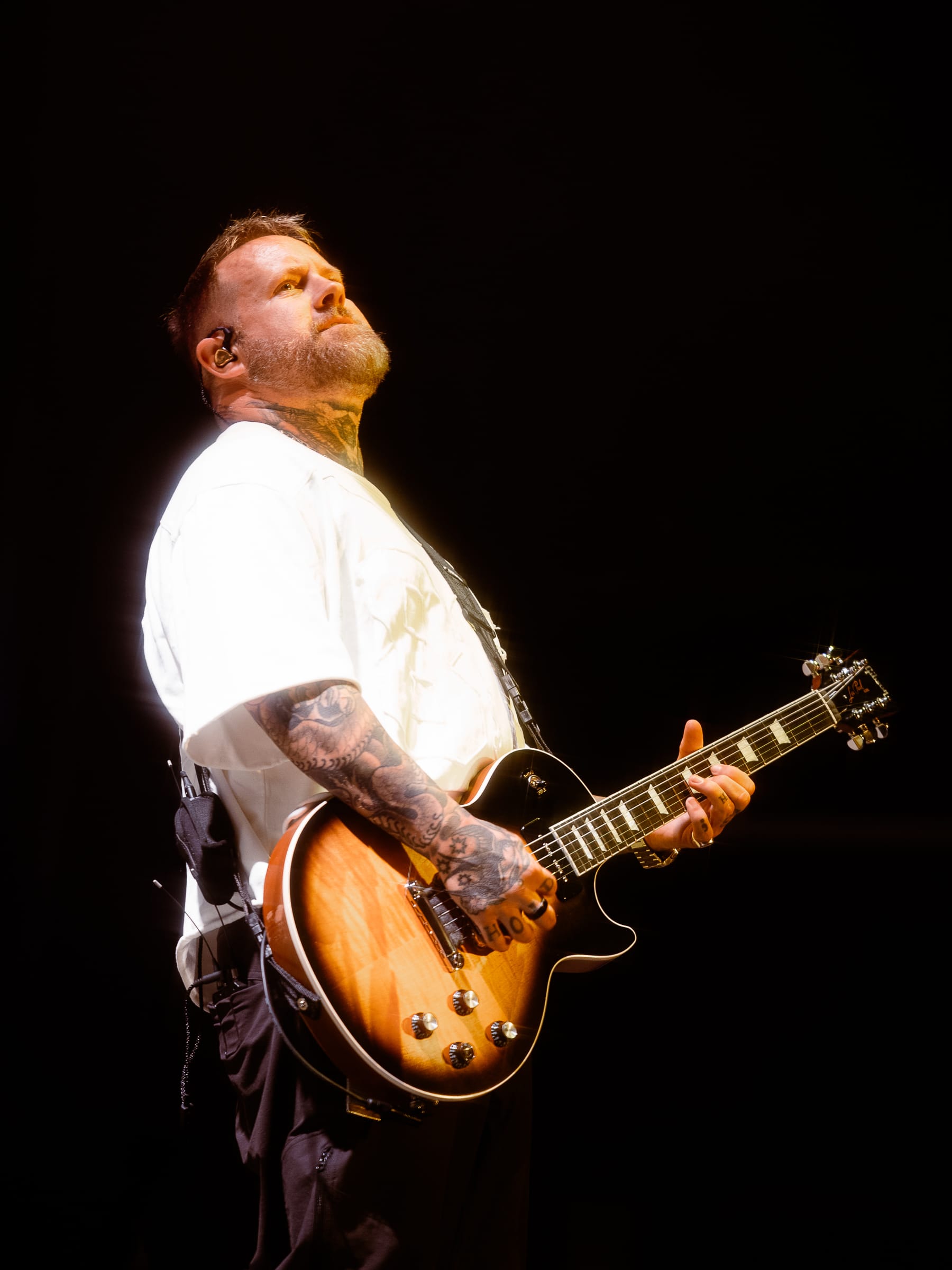
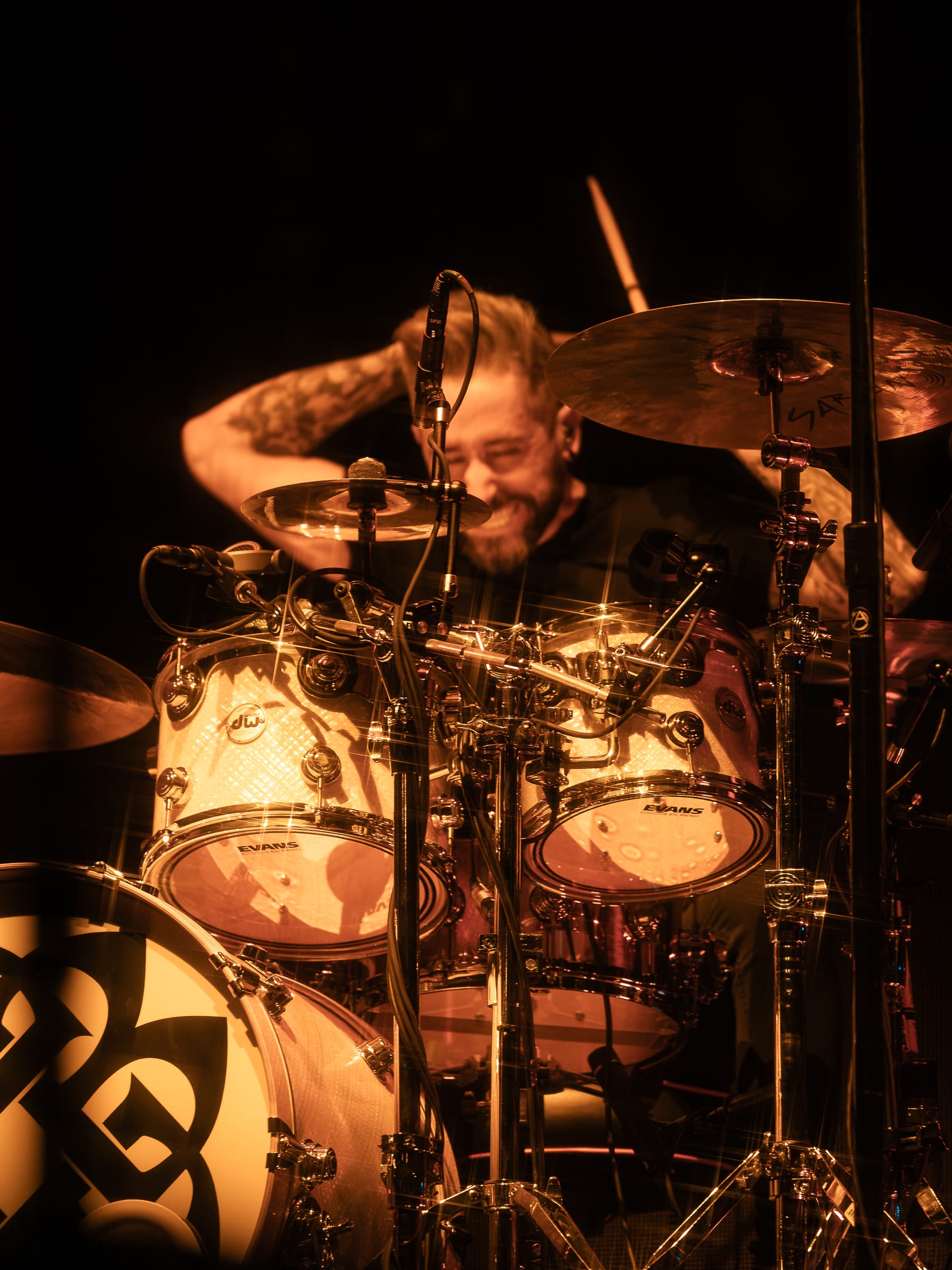
The musicians surrounding Burnley remained animated throughout the set. The guitarists dropped into low headbanging stances, occasionally played side by side and helped maintain the energy while Burnley remained mostly stationary at centre stage. Crowd surfers appeared during “Polyamorous” and “Failure,” reflecting the energy building on the floor.
The stage production continued to change around the band. Suspended lighting panels lowered and tilted above the stage, creating a three-dimensional effect that resembled computer chips or circuit boards. Later, the bottom of the main set glowed red and orange like a digital fireplace. Fire and explosive effects appeared across the screens in place of physical pyro.
Burnley thanked the audience for supporting the band’s newer songs, including “Something Wicked” and “Awaken.” The reaction was not as large as it was for the established hits, but both songs were well received and sounded at home within the set.
“Breath” produced the loudest audience singing of the night. Burnley invited Toronto to take over parts of the song, and the band repeatedly paused to hear the crowd without the instruments. The audience filled each gap, making the performance feel stronger whenever the band returned.
Burnley also thanked fans for supporting Breaking Benjamin through roughly 20 years of visits to Canada. The old computer graphics, Halo footage and songs many audience members grew up hearing made that history visible throughout the performance.
Breaking Benjamin closed with “The Diary of Jane,” drawing one of the loudest crowd responses of the night. More than two decades into its career, the band still sounded powerful and connected easily with Toronto. Its biggest hits carried the nostalgia, but the response to “Awaken” and “Something Wicked” showed that connection extended to its newer music.
Credits: @anillien
![Gnash Performing on The Garden Tour in Phoenix Arizona [GALLERY]](https://storage.ghost.io/c/8f/63/8f633ede-8bb5-4b2a-adfa-ff3211055591/content/images/size/w600/2026/10/gnash-8.jpg)